Electricity is essential to every home, but it also comes with serious risks if not properly managed. Electrical fires, shocks, and appliance damage are preventable hazards that often stem from overlooked issues like outdated wiring, overloaded circuits, or neglected maintenance.
At Lightning Electric, we have served Pennsylvania homeowners for over 30 years. Our team regularly inspects homes in Morrisdale and Clearfield County to help residents avoid unnecessary danger. This article shares the top seven electrical safety tips every homeowner should know, along with practical advice on how to keep your home safe and code-compliant.
Why Electrical Safety Matters
Electrical safety is about more than just avoiding a shock from a faulty outlet. The consequences of an unsafe electrical system can be life-threatening and financially devastating. According to the United States Fire Administration, electrical fires cause over 25,000 residential fires and $1.1 billion in property damage each year in the United States.
Common causes of these incidents include:
- Faulty or outdated wiring
- Overloaded circuits or extension cords
- Misuse of appliances
- Lack of ground fault protection in wet areas
- Neglected electrical maintenance
The good news is that most electrical hazards are preventable with routine inspection and proactive upgrades. Whether you live in an older home or a recently built property, these seven tips will help you stay safe.
1. Schedule a Professional Electrical Inspection
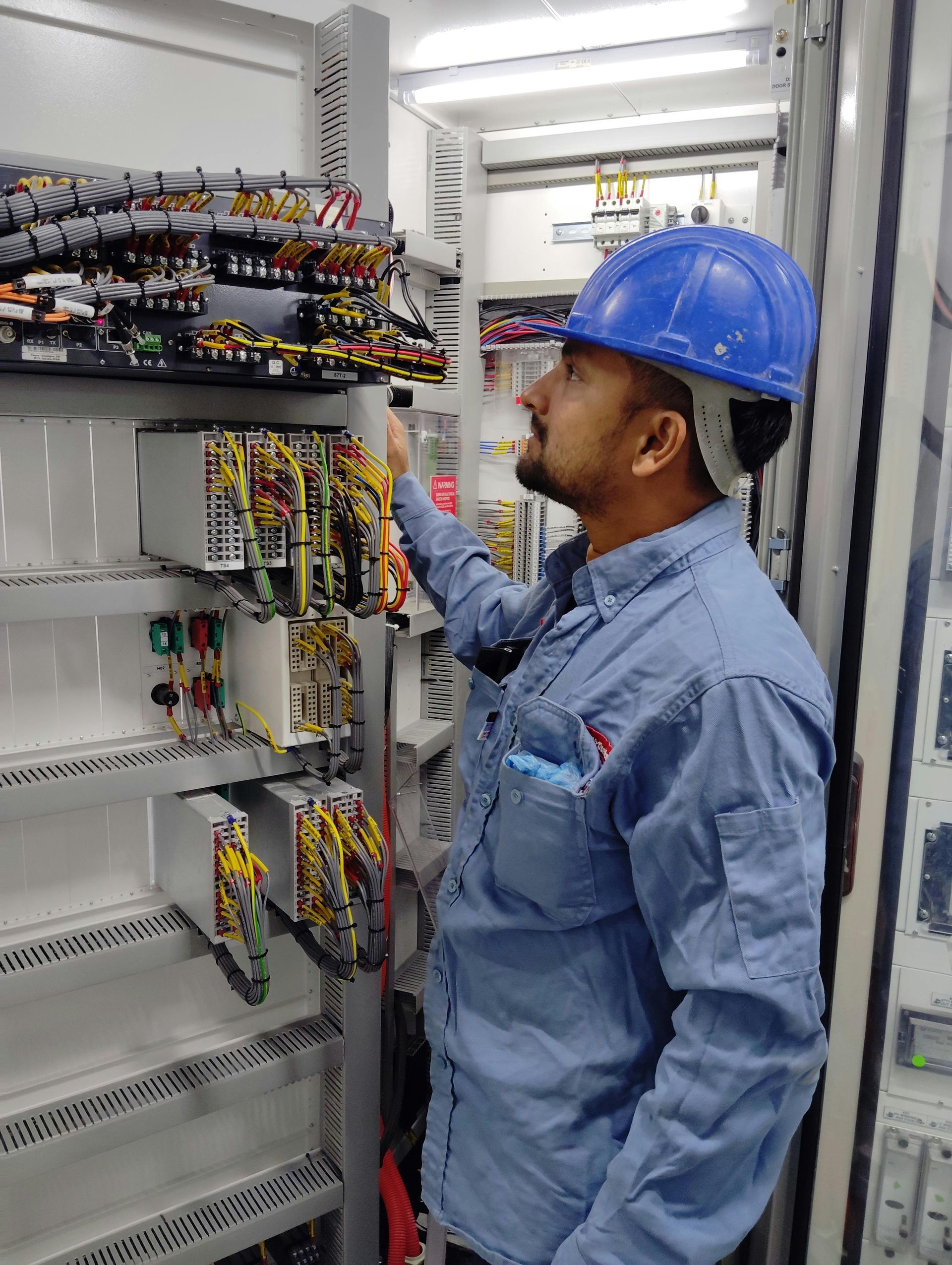
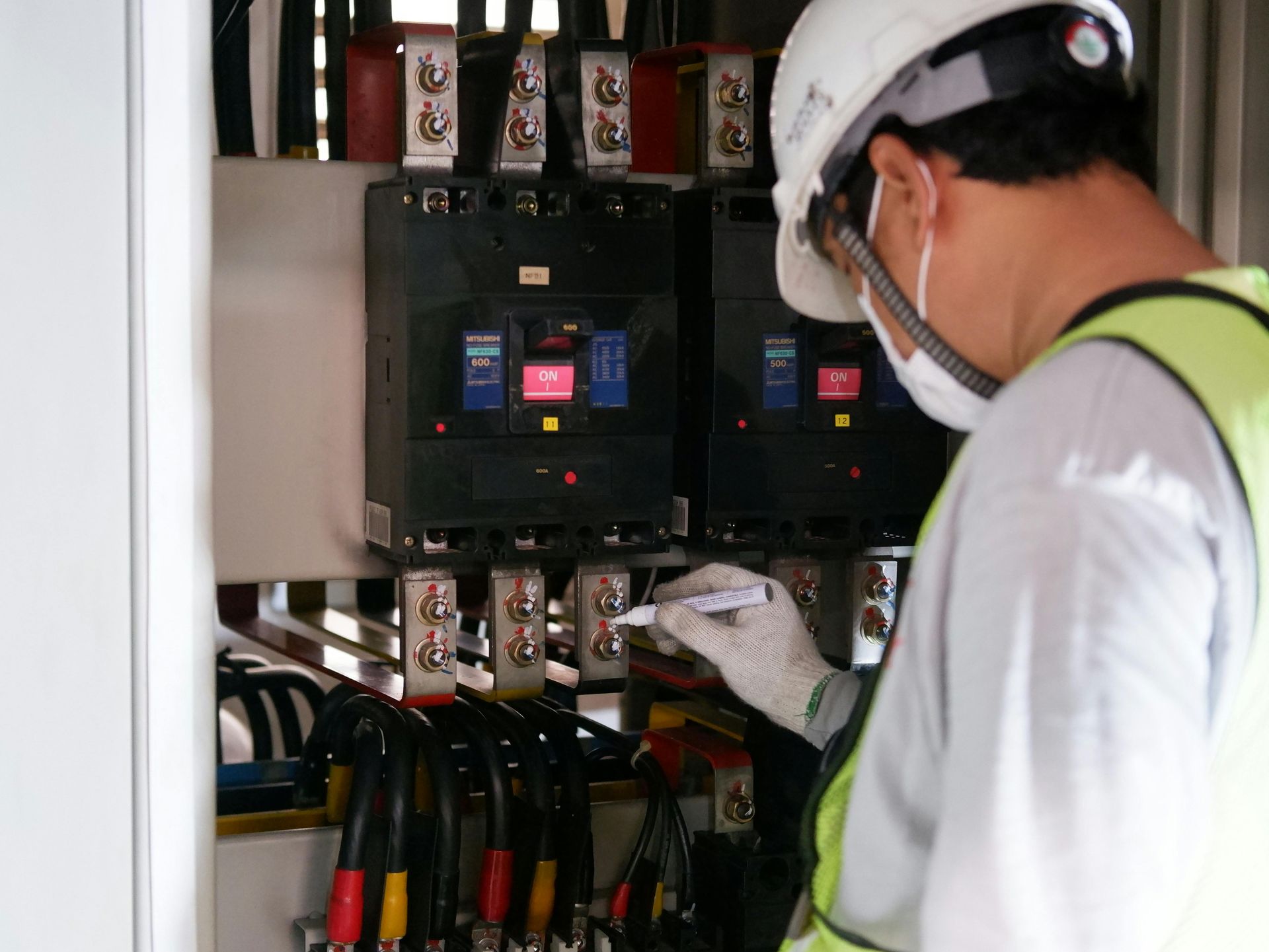
A licensed electrician should inspect your home’s electrical system at least once every five years. Inspections are especially critical for homes built before 1980 or those that have undergone extensive remodeling.
What an inspection covers:
- Condition of wiring, outlets, and switches
- Proper grounding and bonding
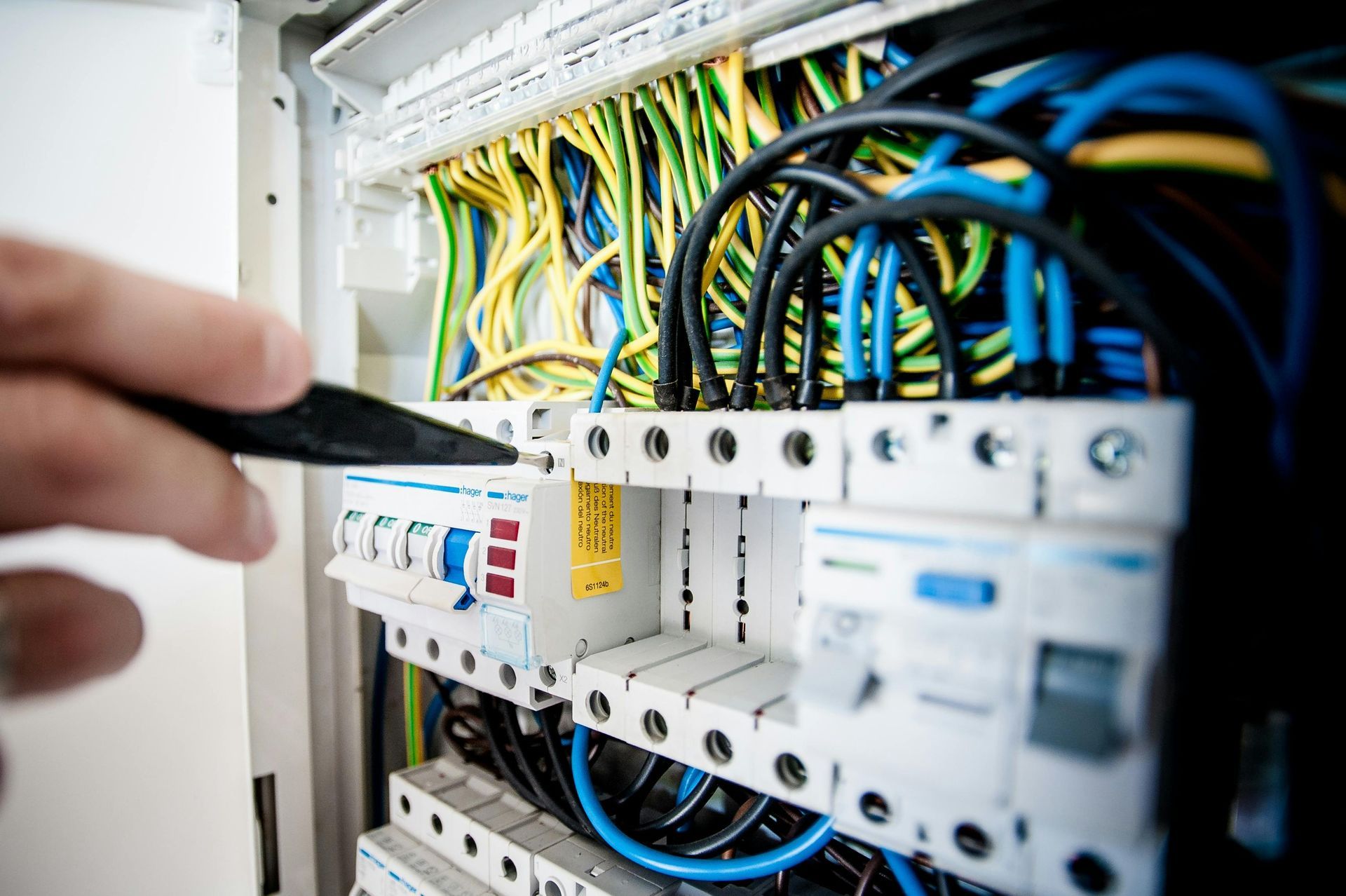
- Electrical panel health and circuit load analysis
- Functionality of GFCI and AFCI protection
- Code compliance for renovations or new appliances
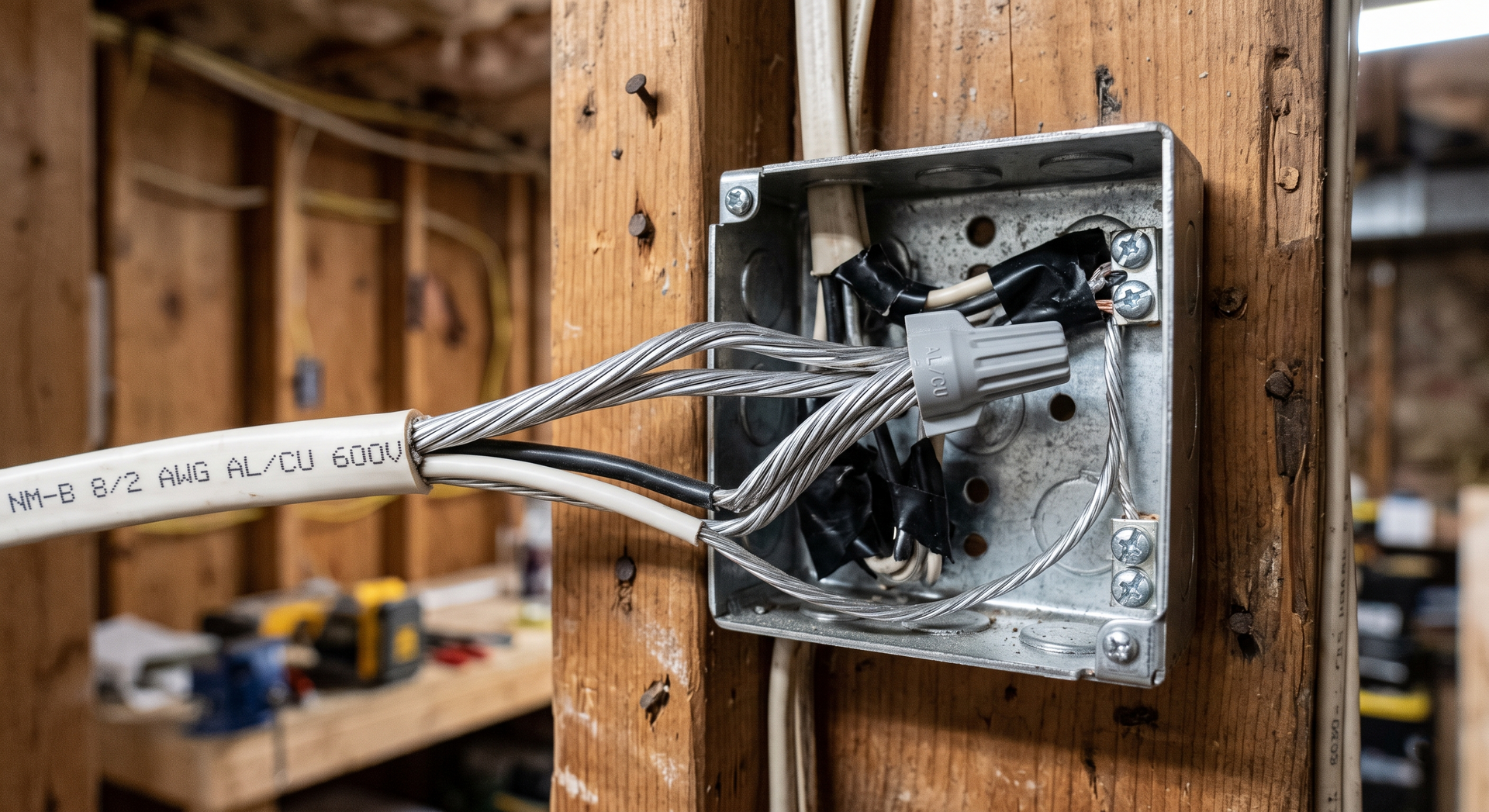
In Morrisdale and surrounding areas, older homes may still have aluminum or knob-and-tube wiring. These systems pose higher fire risks and often fail to meet modern code. An inspection by Lightning Electric will identify these issues and provide clear recommendations for repairs or upgrades.
2. Use GFCI Outlets in Kitchens, Bathrooms, and Outdoors
Ground Fault Circuit Interrupter (GFCI) outlets are required by code in any area exposed to water or moisture. These outlets cut power instantly if a ground fault is detected, protecting users from electrical shock.
Where GFCIs should be installed:
- Kitchens (especially within six feet of a sink)
- Bathrooms
- Laundry rooms
- Garages
- Exterior outlets
- Basements
- Near utility sinks or water heaters
If you live in an older home, your existing outlets may not offer this protection. GFCI outlets can be added by a licensed electrician without full rewiring. You should also test existing GFCIs monthly to ensure they are functioning correctly.
3. Avoid Overloading Circuits and Extension Cords
Many electrical fires begin when too many devices are plugged into one circuit or extension cord. Modern appliances often demand more power than older circuits can handle safely.
Tips for avoiding overloads:
- Use dedicated circuits for high-demand appliances like microwaves, dryers, or space heaters
- Avoid plugging multiple devices into a single outlet or power strip
- Use surge protectors for electronics
- Never daisy-chain extension cords or plug them into other cords
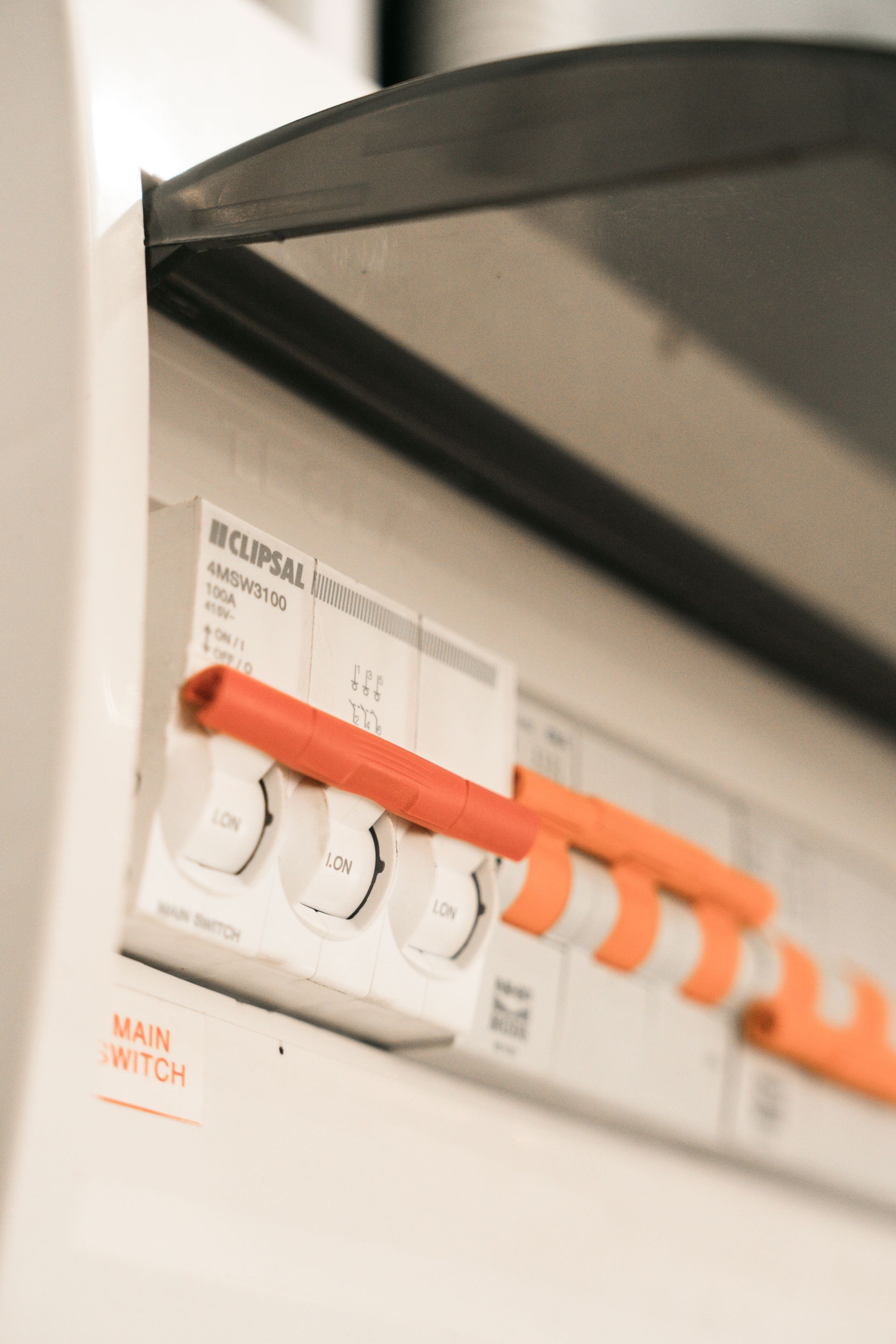
- Upgrade your panel if it lacks sufficient capacity
An electrical panel that is more than 25 years old may not provide the amperage needed for modern household demands. Lightning Electric can assess whether you need a panel upgrade or new dedicated circuits.
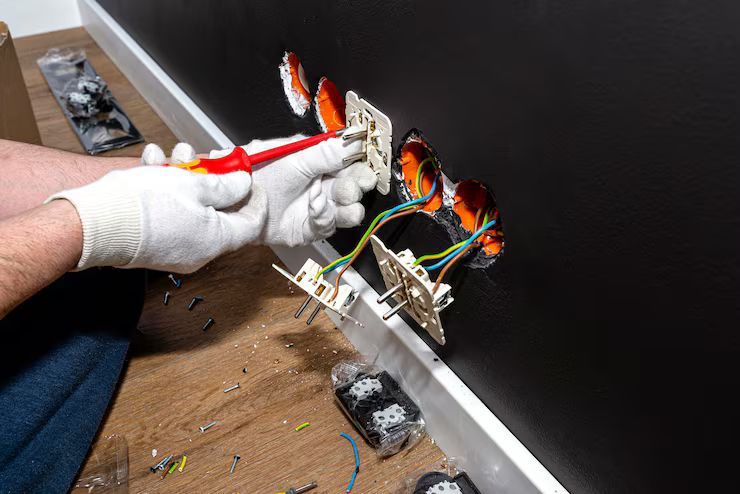
4. Update Outlets and Switches That Show Signs of Damage
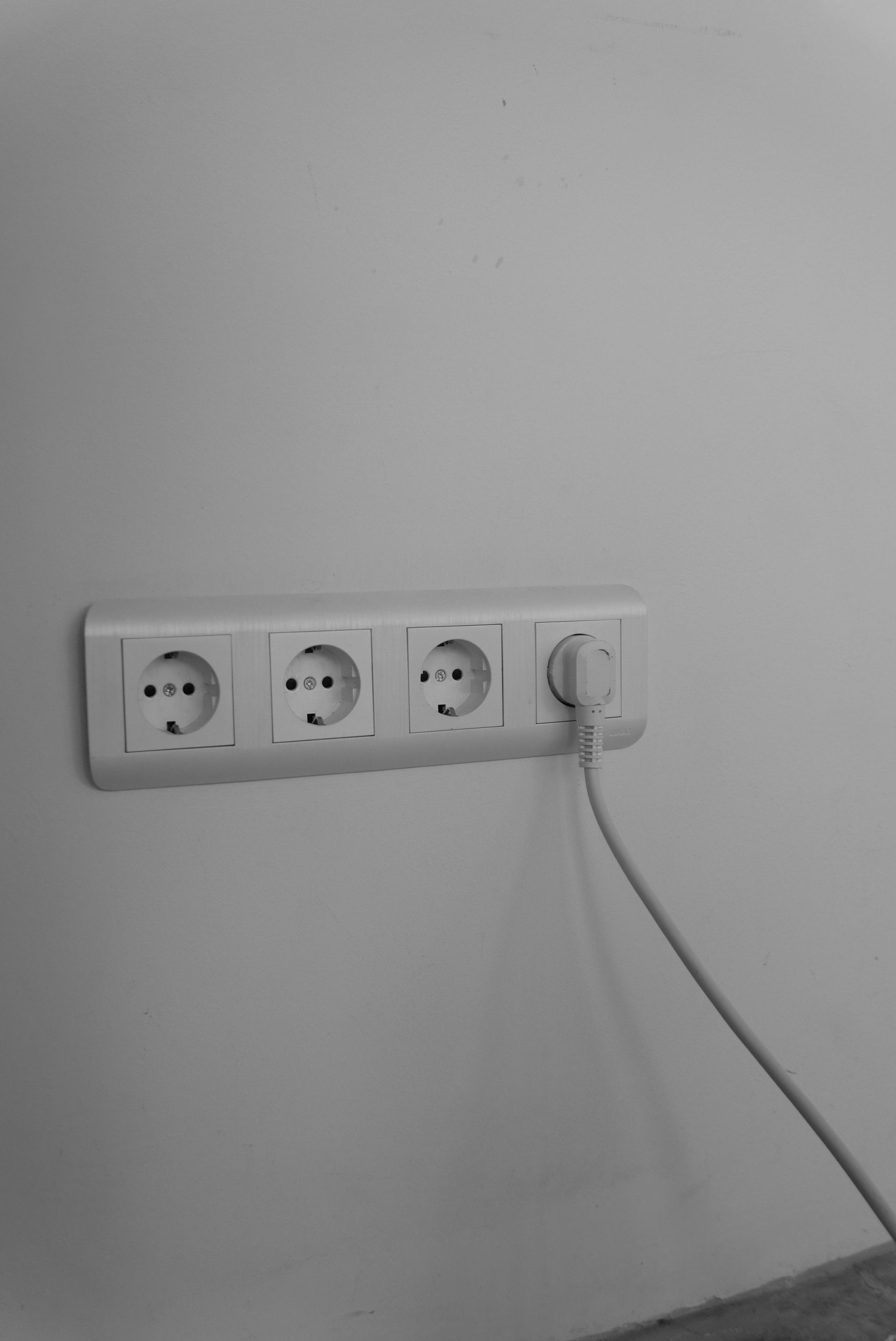
Worn or damaged outlets are a leading cause of residential electrical fires. Cracked plates, discoloration, or loose plugs should be addressed immediately.
Warning signs to watch for:
- Outlets that are hot to the touch
- Plugs that fall out easily or fit loosely
- Buzzing, popping, or crackling sounds
- Black or brown scorch marks
- Flickering when using switches or plugging in devices
These issues may be signs of arcing, short circuits, or internal wire damage. Replacing outlets and switches is a simple repair when caught early but can lead to major problems if ignored.
5. Install Smoke Detectors and Carbon Monoxide Alarms
Smoke alarms and carbon monoxide detectors are your first line of defense in the event of an electrical fire or malfunctioning appliance. Many fires start in areas without early detection.
Best practices include:
- Install smoke detectors in every bedroom, hallway, and living space
- Place carbon monoxide detectors near fuel-burning appliances
- Test all alarms monthly and replace batteries twice a year
- Replace entire units every 10 years or sooner if malfunctioning
You can also consider interconnected smoke alarm systems. If one alarm sounds, all others in the house activate simultaneously, giving you more time to escape.
6. Protect Your Home from Power Surges
Power surges are sudden spikes in voltage that can damage electronics, appliances, and even cause fires. They are often caused by lightning, utility grid switching, or faulty appliances.
Protection options include:
- Installing whole-house surge protectors at the main panel
- Using surge-protecting power strips for computers and televisions
- Unplugging devices during severe storms
- Having an electrician inspect for improper grounding or outdated panel connections
Lightning Electric frequently installs surge protection systems for homes across Clearfield County. These solutions are especially important for homes with sensitive technology, smart systems, or home offices.
7. Hire Licensed Electricians for Any Electrical Work
DIY electrical work is one of the top contributors to household electrical hazards. Pennsylvania requires permits and licensed professionals for most residential electrical upgrades, including panel changes, rewiring, and new circuit installations.
Hiring a licensed electrician ensures:
- Code-compliant installations
- Proper load balancing and grounding
- High-quality materials and workmanship
- Reduced liability for insurance and inspection issues
- Peace of mind for your family’s safety
At Lightning Electric, all our electricians are fully licensed and insured. We provide free estimates and explain your options clearly before starting any job.
Frequently Asked Questions
How often should I have my electrical system inspected?
For most homes, once every five years is recommended. Homes over 30 years old or those undergoing renovations should be inspected more frequently.
Are GFCI outlets required in older homes?
They are required when new work is performed. Even if your home is older, GFCIs are highly recommended for safety and can usually be added without major changes.
What should I do if my outlets feel warm?
Stop using them immediately and contact a licensed electrician. Heat at an outlet indicates a serious issue such as arcing or overload.
Can I replace light switches or outlets myself?
Technically yes, but it is not advised unless you are experienced. Incorrect wiring can create major safety hazards and cause fire or shock.
How do I know if my home needs surge protection?
If you use many electronics or have experienced electrical storms, whole-home surge protection is a smart investment. An inspection can determine if it is necessary.
Stay Safe with Help from Lightning Electric
Home electrical safety is not just about preventing inconvenience. It is about protecting your family, your home, and your peace of mind. Whether you are updating a few outlets or planning a full electrical inspection, Lightning Electric brings more than 30 years of experience to homes throughout Morrisdale and surrounding Pennsylvania communities.