Flickering lights can be more than just annoying. They can signal real electrical issues lurking behind your walls. Whether it is a single bulb or your entire home pulsing with every appliance use, it is important to take action quickly.
At Lightning Electric, we have helped hundreds of homeowners in Morrisdale, Pennsylvania identify and fix flickering light problems safely and affordably. In this guide, we will walk you through the most common causes, how to diagnose issues at home, and when to call a licensed electrician.
Why Are My Lights Flickering?
Flickering lights can stem from several causes, ranging from harmless to hazardous. It is important to understand what is normal, like a brief dimming when your air conditioner turns on, versus what could be a sign of a deeper wiring or circuit issue.
Common Causes of Flickering Lights
- Loose lightbulb or faulty fixture
- Fluctuating voltage
- Circuit overloads
- Outdated or damaged wiring
- Faulty switches or dimmers
- Problems at the panel
- Utility service issues
Step-by-Step: How to Troubleshoot Flickering Lights
Step 1: Check the Bulb
The most basic fix is often the right one. If a single bulb is flickering:
Turn off the power and gently tighten the bulb.
If it is an LED or CFL bulb in a dimmable fixture, make sure it is dimmer-compatible.
Swap with a new bulb to rule out internal failure.
Tip: Incandescent bulbs tend to flicker when they are near the end of their life.
Step 2: Inspect the Light Fixture
If tightening or changing the bulb does not help, the socket or wiring in the fixture could be loose.
Turn off the breaker.
Remove the fixture and inspect for any loose wires or corrosion.
Listen or feel for crackling, which can indicate a poor connection.
If you are unsure or uncomfortable working with fixtures, do not take risks. Contact a professional.
Step 3: Test Other Lights in the Circuit
Are other lights or outlets on the same circuit flickering?
If multiple lights dim when a single appliance runs, such as a microwave, HVAC, or vacuum, it may signal circuit overload or voltage drops.
Track whether flickering happens at specific times or when high-draw equipment is in use.
Step 4: Check Your Switches and Dimmers
Loose or aging switches and dimmers often cause flickering. Especially in older homes, contacts inside the switch may degrade.
Try gently wiggling the switch and observe whether flickering increases.
Swap the switch to a newer, compatible model, especially if you are using LEDs.
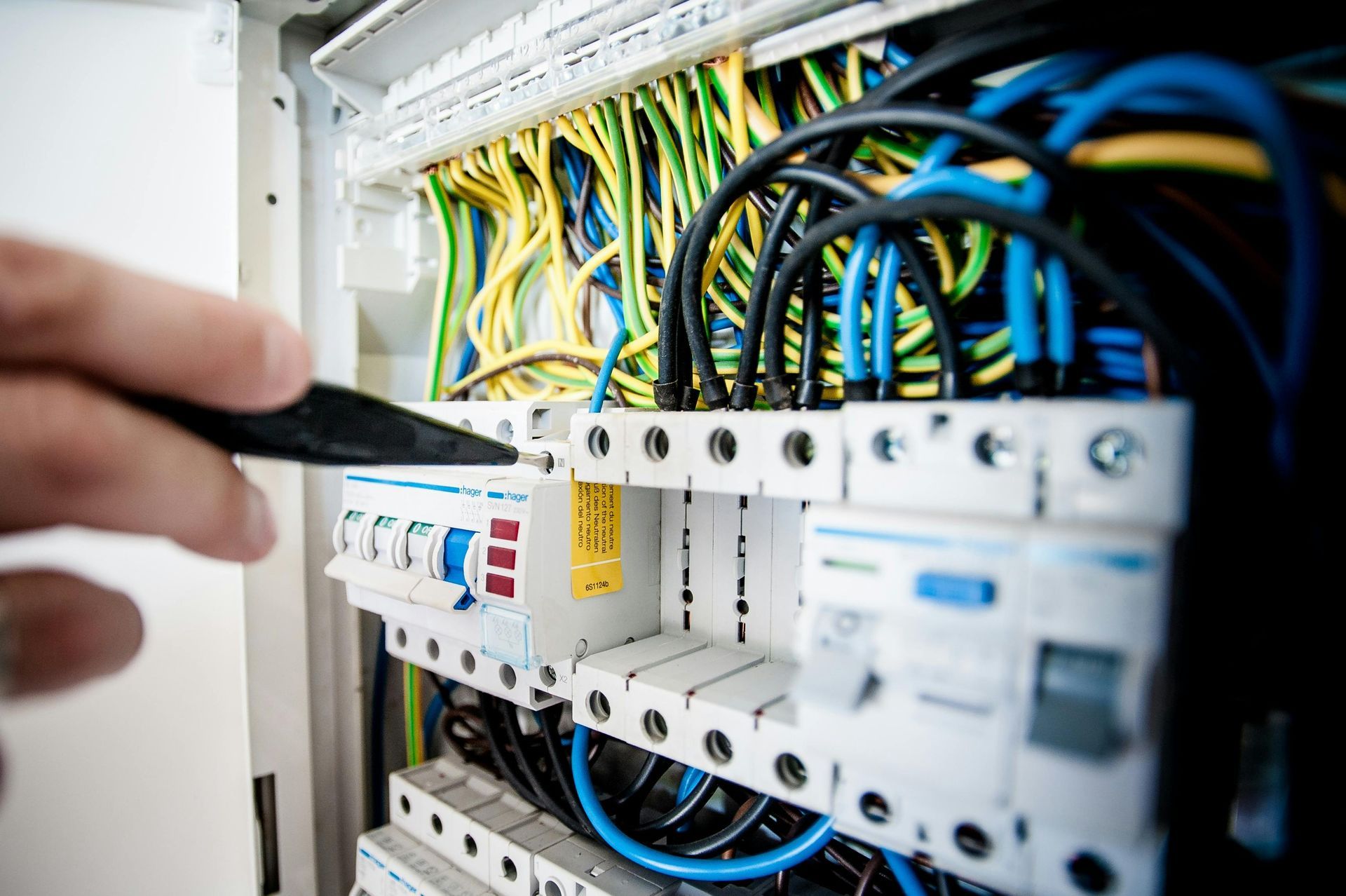
Step 5: Evaluate the Electrical Panel
Frequent or widespread flickering may mean:
- Loose circuit breakers
- Corroded wires or terminals
- Undersized panel capacity
- Faulty service entry connections
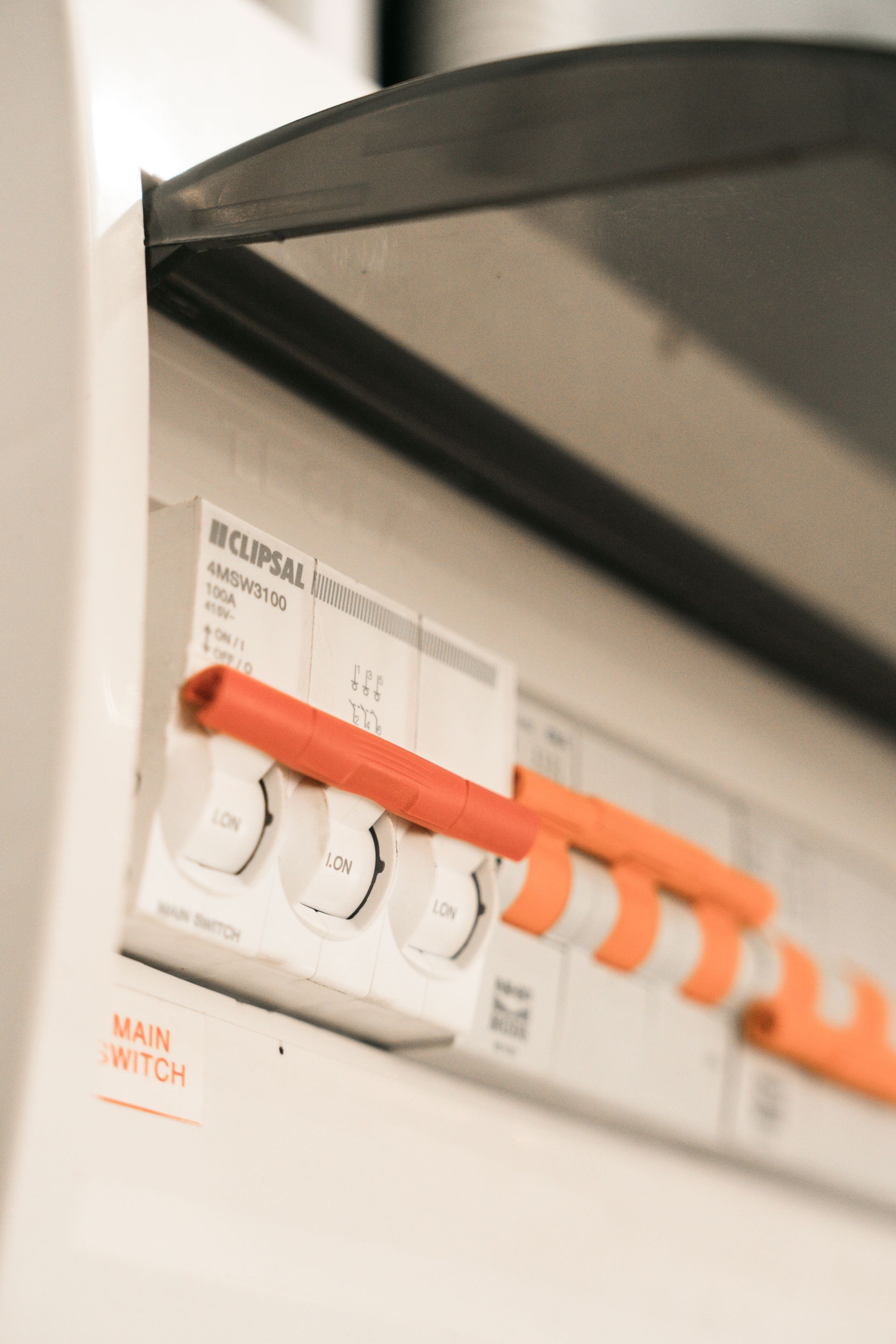
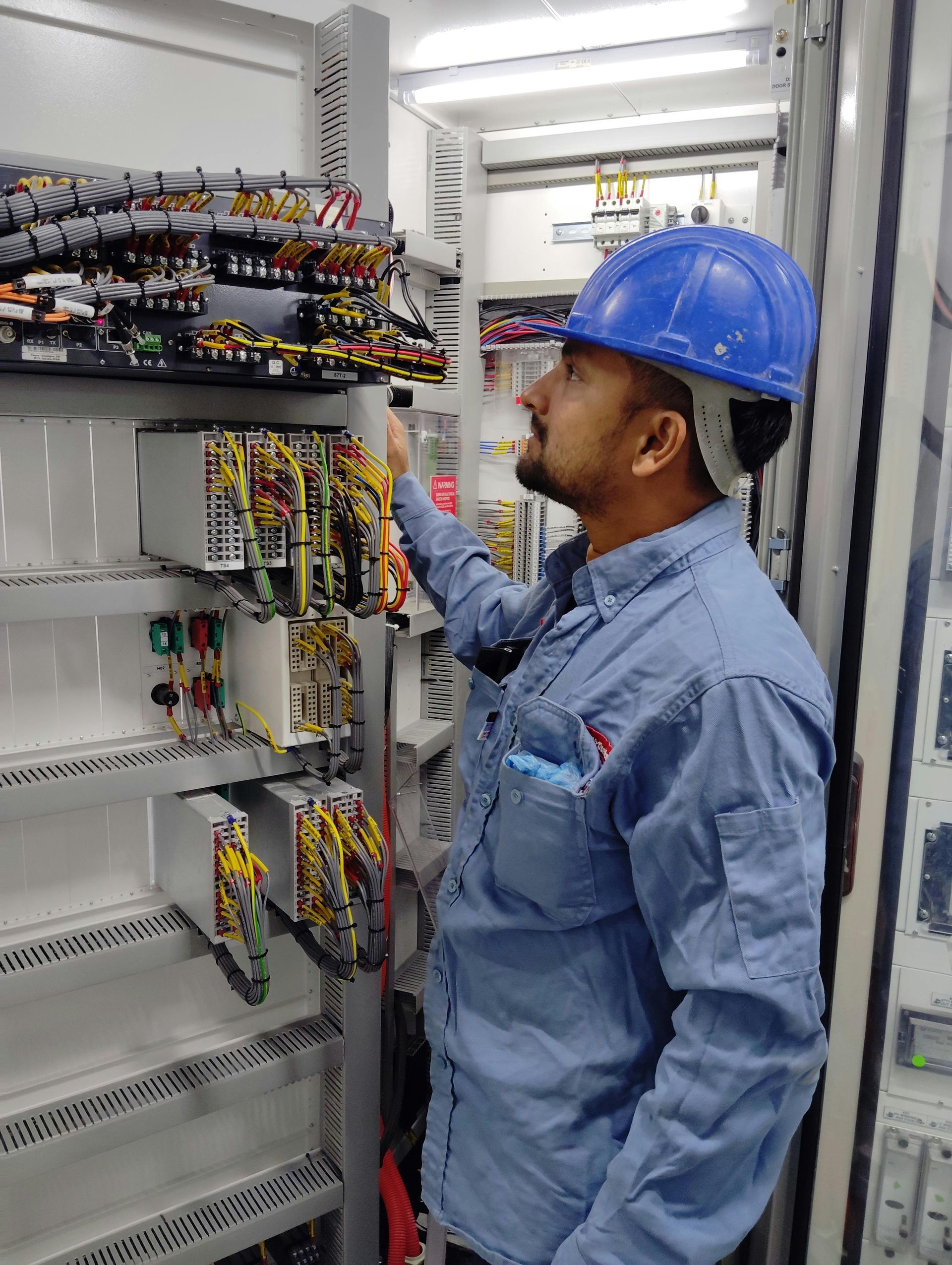
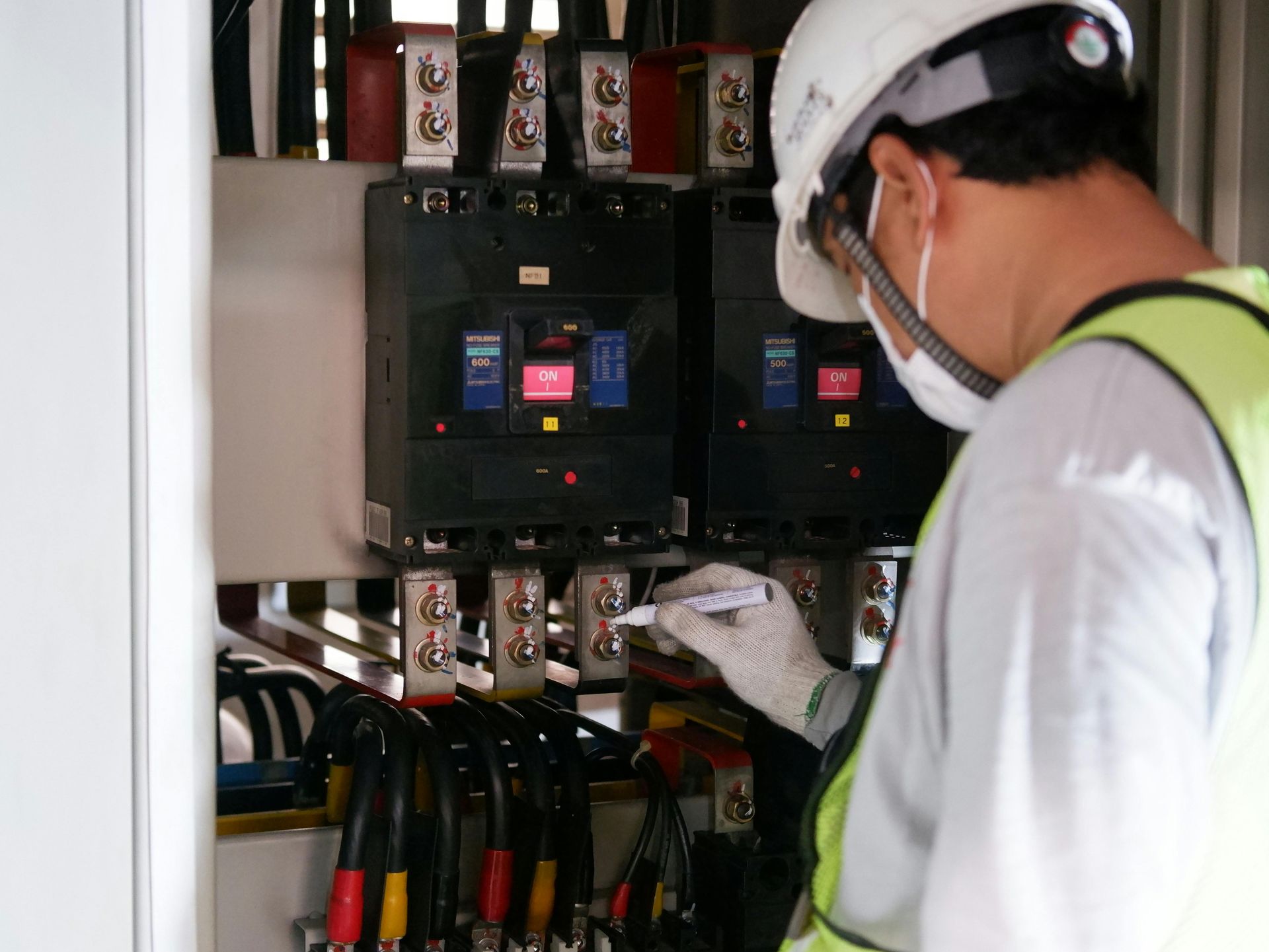
Important Note: Panels should only be inspected by licensed electricians. Improper handling can lead to electrical shock or serious injury.
When Is Flickering Dangerous?
Not all flickering is harmless. If you notice any of the following, shut off power and contact Lightning Electric immediately.
Warning Signs
- Lights flicker and emit a burnt smell or popping sound
- Outlets are warm or discolored
- Lights dim across multiple rooms, even without appliances running
- Flickering worsens during storms or wet weather
- Buzzing or crackling sounds at outlets, switches, or the electrical panel
These symptoms may indicate:
- Arcing wires, which pose a fire hazard
- Faulty neutral connections
- Panel damage or overload
- Utility supply issues
Flickering caused by high resistance or failing connections can lead to overheating and house fires. According to the Electrical Safety Foundation International, electrical fires account for over 50,000 home fires in the United States each year. Many of these are preventable with early detection and professional repair.
Common Repair Solutions and How We Fix Them
At Lightning Electric, we use industry-standard diagnostics to track and resolve flickering issues. Depending on the cause, your repair may include:
Tightening Connections
Loose wiring at light fixtures, switches, or breakers is often the cause. We test each suspect location and re-secure or replace components as needed.
Replacing Outdated Wiring
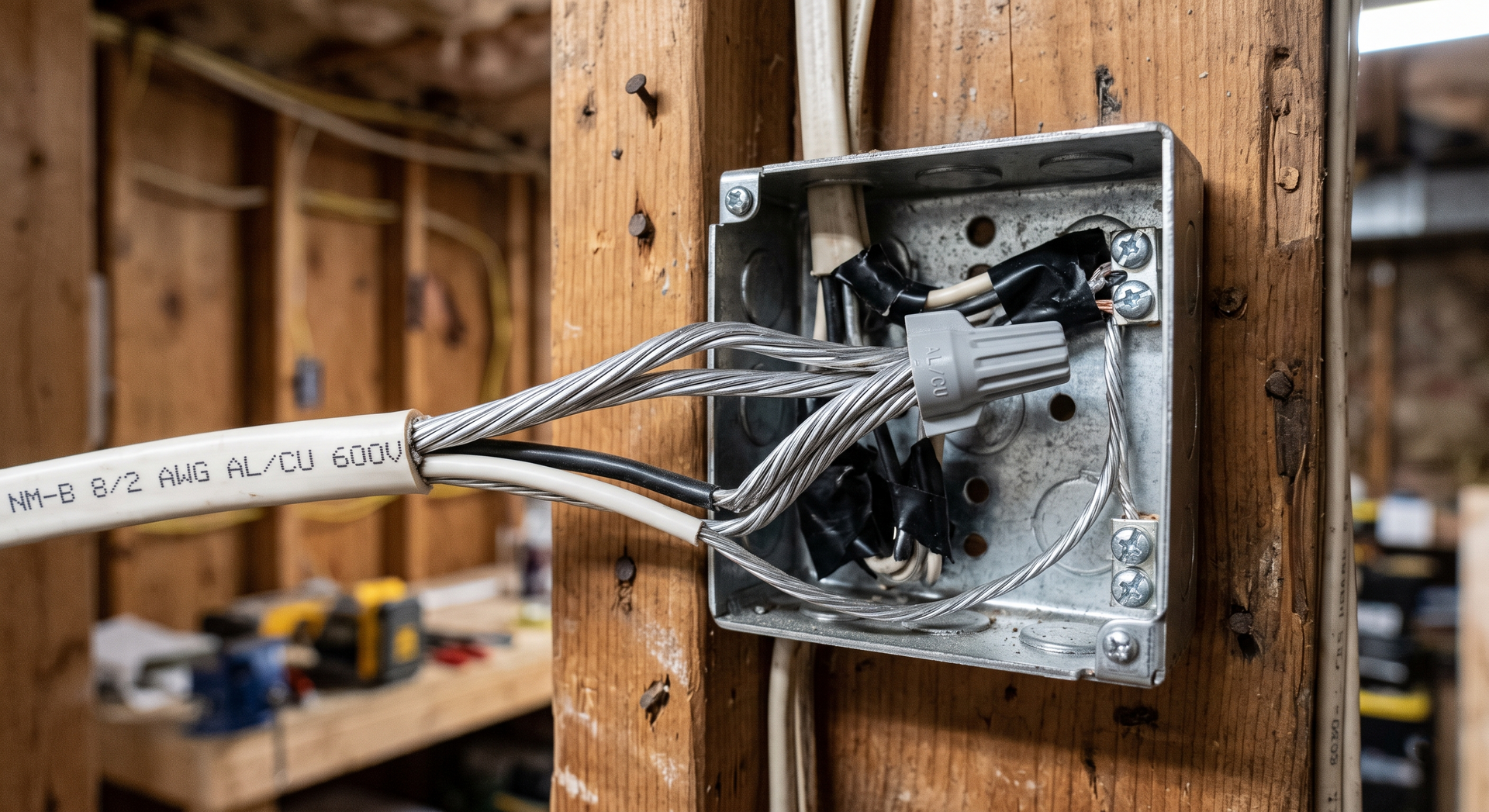
In homes with older aluminum or knob-and-tube wiring, flickering can signal failing insulation or bad connections. We may recommend partial or full rewiring, especially if other warning signs are present.
Upgrading Electrical Panels
If your panel is outdated or too small for your current electrical load, we evaluate your options for a code-compliant upgrade with built-in safety features.
Installing Dedicated Circuits
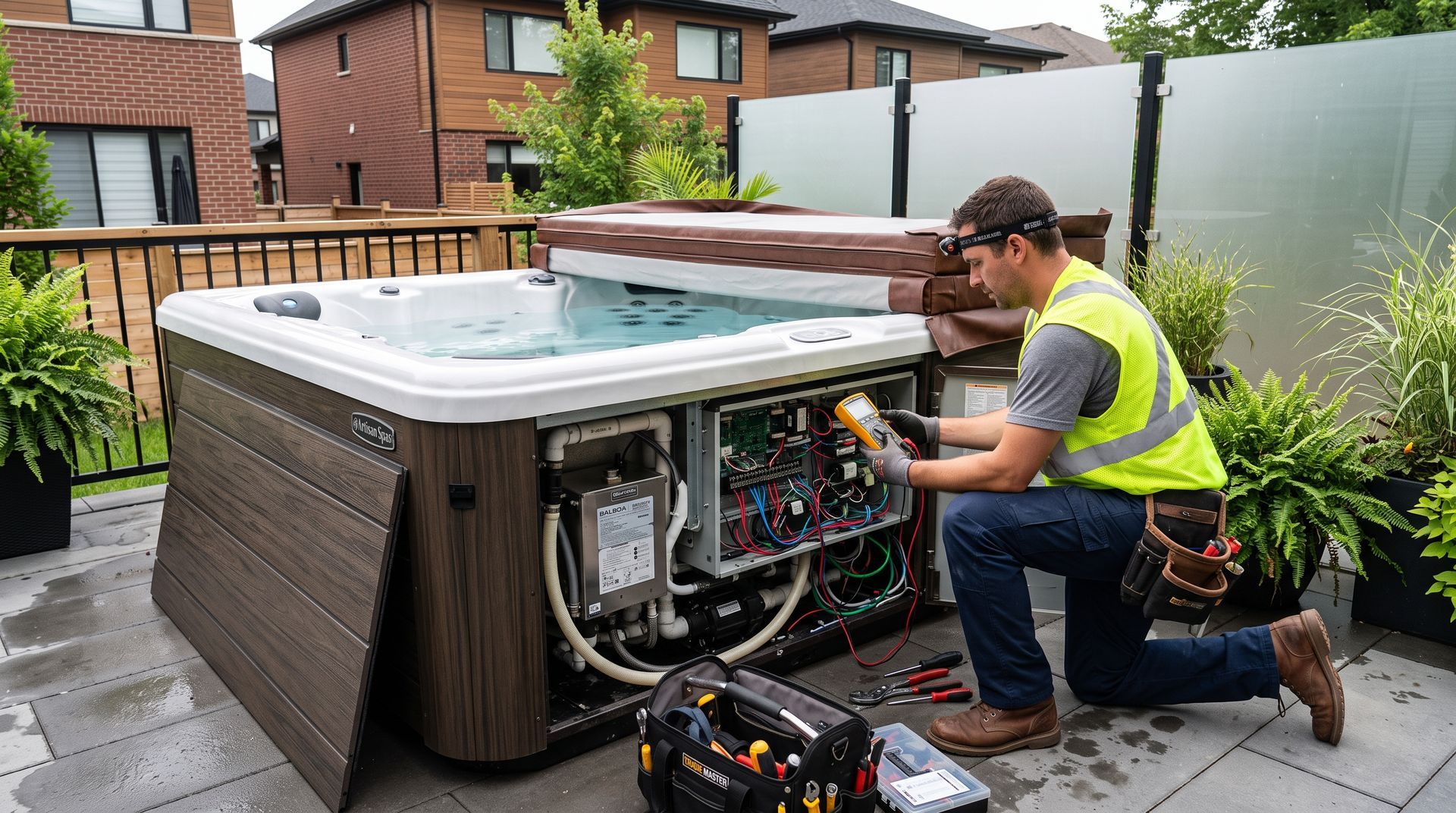
Adding heavy appliances such as a refrigerator or hot tub may require a dedicated line to prevent overload and voltage drops affecting nearby lighting.
Troubleshooting Service Entry Problems
If flickering affects your entire home, and especially if it coincides with stormy weather, we inspect your meter base and service entry wiring. In some cases, we may coordinate with your utility provider.
Local Considerations for Homes in Morrisdale, Pennsylvania
In central Pennsylvania, many homes were built before modern code standards. This often means:
- Older wiring, including aluminum or cloth-insulated wiring
- Seasonal load spikes during winter heating or summer cooling
- Weather-related wear at service entry points and panels
Our licensed electricians understand the construction norms and electrical history of homes in Morrisdale and surrounding Clearfield County communities. This means we know exactly where to look and what common issues to expect.
Preventative Measures to Avoid Future Flickering
Here are some steps to keep your electrical system safe and stable:
- Schedule a residential electrical inspection every three to five years
- Avoid overloading power strips or outlets
- Use LED bulbs compatible with dimmers
- Upgrade old wiring or panels during remodeling
- Install whole-home surge protectors
- Consider a home energy audit if lights dim when devices operate
Frequently Asked Questions
Why do my lights flicker when I turn on the microwave or air conditioner?
This is often due to voltage drops caused by high-energy appliances. If it happens frequently or dims multiple lights, your circuit may be overloaded or underpowered.
Is flickering dangerous?
It can be. While minor flickering is not always urgent, persistent or widespread flickering can indicate serious issues like arcing or degraded wiring, both of which are fire hazards.
Can I fix flickering lights myself?
You can check bulbs, switches, and outlets. However, anything involving wiring, your panel, or unpredictable symptoms should be handled by a licensed electrician.
What if only one room has flickering?
That room’s circuit may be overloaded or contain loose connections. We can isolate and resolve it without overhauling your entire system.
How much does it cost to fix?
That depends on the cause. We offer free local estimates and always explain your options before beginning any work.
Call Lightning Electric for Safe, Flicker-Free Lighting
If flickering lights are disrupting your comfort or raising concerns about electrical safety, do not wait. The longer you wait, the greater the risk of a dangerous electrical failure.
Call (814) 577-5202 to schedule a free inspection today
Serving Morrisdale, Clearfield County, and surrounding communities
Visit Our Website:
https://ethicalwesternpa.com/lightning-electric-llc
Lightning Electric: Over 30 Years of Safe, Reliable Electrical Service in Pennsylvania