Selecting the right heating, ventilation, and air conditioning (HVAC) system is one of the most important decisions you will make as a homeowner. An efficient HVAC system improves comfort, lowers energy bills, and adds long-term value to your home. But with so many options on the market, how do you know which system is best for your home and climate?
At Lightning Electric, we help homeowners across Morrisdale and Clearfield County choose HVAC systems that balance comfort, efficiency, and reliability. This guide explains everything you need to know about choosing the right HVAC system for your home, from types and sizing to installation and maintenance.
Why the Right HVAC System Matters
Your HVAC system is responsible for regulating your indoor temperature, humidity, and air quality. A properly selected and installed system:
- Maintains consistent temperature year-round
- Reduces energy waste and monthly utility bills
- Extends system lifespan and reduces breakdowns
- Improves indoor air quality and moisture control
- Supports zoning or smart home integration
Choosing the wrong system can result in higher energy costs, discomfort, and expensive repairs. An undersized unit may run constantly and still fail to heat or cool properly. An oversized system can short cycle, leading to poor humidity control and early system wear.
Step 1: Assess Your Home’s Heating and Cooling Needs
Every home has different requirements based on size, insulation, layout, and climate zone. Before you choose an HVAC system, a professional must perform a load calculation to determine how much heating and cooling capacity your home requires.
Factors that affect HVAC sizing:
- Square footage of your home
- Number of rooms and levels
- Insulation quality and window types
- Ceiling height
- Regional climate
- Number of occupants and daily activity
- Presence of appliances or electronics that generate heat
At Lightning Electric, we use Manual J load calculations to ensure your HVAC system is sized accurately — not based on guesswork or square footage alone.
Step 2: Understand HVAC System Types
There are several types of HVAC systems available for residential homes. The right choice depends on your home’s structure, energy goals, and budget.
Central Split System
The most common HVAC setup in Pennsylvania, a split system includes a furnace for heating and an air conditioner for cooling, with ductwork that distributes air throughout the home.
- Best for: Homes with existing ductwork
- Pros: Even airflow, proven reliability, supports zoning
- Cons: Requires regular duct cleaning and sealing
Heat Pump System
Heat pumps provide both heating and cooling by transferring heat in and out of the home.
They are more energy-efficient in moderate climates.
- Best for: Energy-conscious homes in milder areas
- Pros: Lower utility costs, less equipment
- Cons: May need backup heat source in cold climates
Ductless Mini-Split
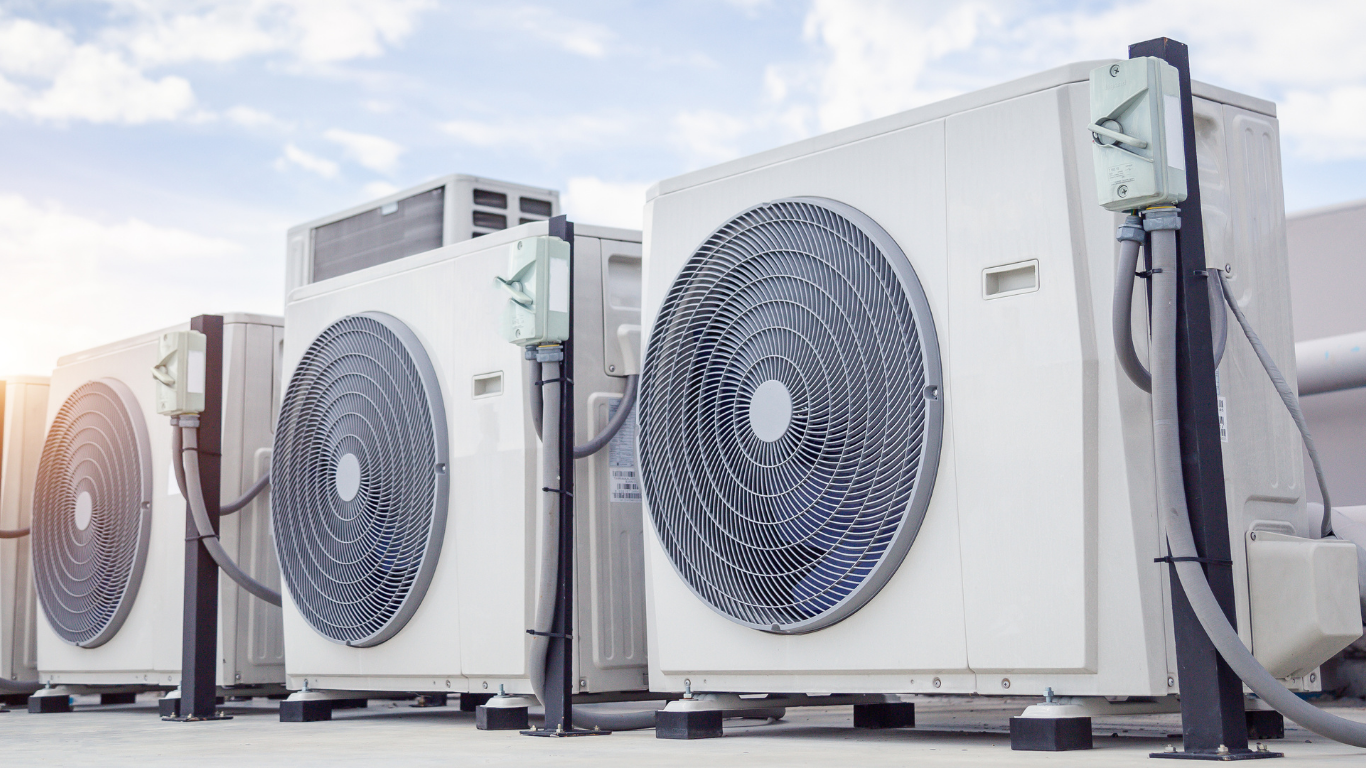
These systems provide zoned heating and cooling without ductwork. Each room has its own air handler connected to an outdoor compressor.
- Best for: Older homes or additions without ductwork
- Pros: Zoned control, high efficiency, easy installation
- Cons: Higher upfront cost per zone
Packaged System
All components are housed in one outdoor unit. Typically used in homes without a basement or crawlspace.
- Best for: Small or manufactured homes
- Pros: Compact footprint
- Cons: Less efficient than split systems
Step 3: Consider Efficiency Ratings
HVAC systems are rated for energy efficiency. Choosing a higher-efficiency unit may cost more upfront but will save significantly over time through lower energy bills.
Key Ratings to Know:
- SEER (Seasonal Energy Efficiency Ratio): Measures cooling efficiency. Look for SEER 15 or higher.
- AFUE (Annual Fuel Utilization Efficiency): Measures furnace efficiency. The higher the percentage, the more heat your furnace produces per unit of fuel.
- HSPF (Heating Seasonal Performance Factor): Used for heat pumps. Higher HSPF means better heating efficiency.
Pennsylvania homeowners should aim for Energy Star-rated systems to ensure compliance with federal standards and take advantage of utility rebates.
Step 4: Explore Additional Comfort Features
Modern HVAC systems offer advanced features that improve comfort, air quality, and convenience.
Smart Thermostats
Programmable and Wi-Fi-connected thermostats allow you to control your system remotely and optimize usage based on schedules or outside temperature.
Zoning Systems
Zoned HVAC setups use dampers in the ductwork or mini-splits to allow different areas of your home to be heated or cooled independently.
Variable-Speed Motors
Systems with variable-speed blowers operate more quietly and efficiently, adjusting airflow based on conditions instead of cycling on and off.
Air Purification and Humidity Control
Integrated air cleaners, UV lights, and humidifiers can be added to filter allergens, control moisture, and improve overall indoor air quality.
Step 5: Evaluate Installation Requirements
Proper installation is just as important as choosing the right equipment. Even a high-end HVAC system will not perform well if it is installed incorrectly.
What Professional Installation Includes:
- Accurate load calculation
- System design and ductwork assessment
- Equipment placement for airflow and serviceability
- Proper wiring and thermostat installation
- Safety checks and system testing
- Local code compliance and permits
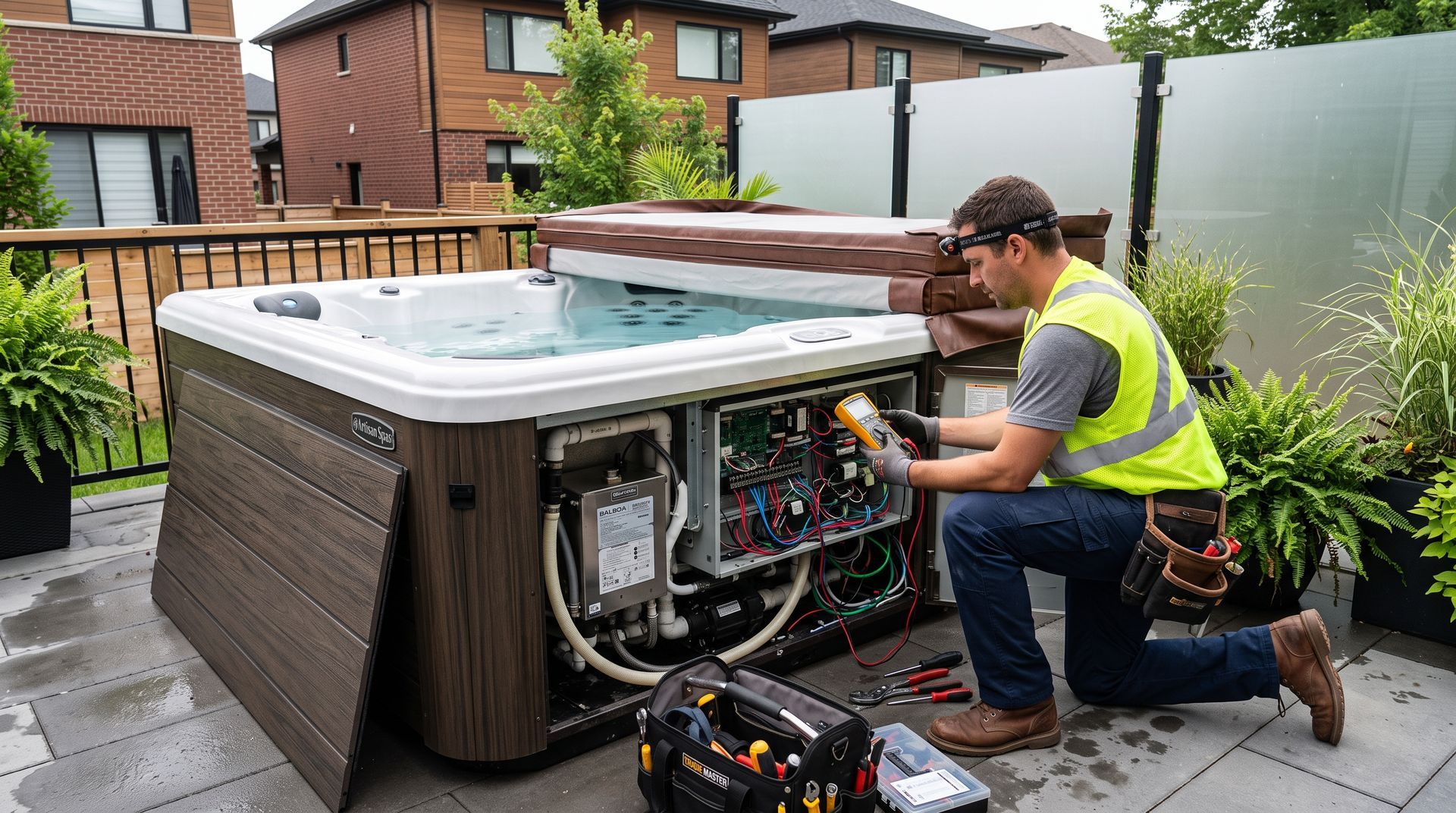
At Lightning Electric, we coordinate all aspects of HVAC system installation, including electrical wiring, venting, and control setup. We also provide post-installation support and service plans to protect your investment.
Step 6: Check for Rebates and Tax Credits
There are often state and federal incentives available for upgrading to high-efficiency HVAC systems. In Pennsylvania, programs like ENERGY STAR rebates, utility company credits, and certain federal tax deductions can reduce your cost.
Our team can help you identify available rebates and submit the necessary documentation to ensure you receive every eligible incentive.
Signs You Need a New HVAC System
If your current HVAC system is more than 15 years old or showing signs of failure, it may be time to replace it rather than continue making repairs.
Common signs of a failing HVAC system:
- Uneven temperatures or poor airflow
- Frequent cycling or high energy bills
- Excessive noise from the unit
- Constant repairs or part replacements
- Lack of comfort during extreme weather
An outdated system can also increase your risk of carbon monoxide leaks or mold from poor moisture control.
Frequently Asked Questions
How long does a new HVAC system last?
With proper maintenance, most systems last 15 to 20 years. Regular filter changes and annual inspections extend lifespan and prevent costly breakdowns.
Can I install an HVAC system myself?
No. HVAC installation involves electrical work, refrigerant handling, and load calculations. It requires licensed professionals and often a permit.
Is it worth upgrading to a high-efficiency system?
Yes. High-efficiency HVAC units use less energy, reduce monthly costs, and often qualify for rebates. They also improve comfort with better airflow and humidity control.
What is the best HVAC system for Pennsylvania homes?
Central split systems and dual-fuel heat pump setups work well in our climate. The best choice depends on your home's layout, insulation, and usage habits.
Schedule a Free HVAC Consultation with Lightning Electric
Choosing the right HVAC system can be overwhelming, but you do not have to do it alone. Lightning Electric helps homeowners in Morrisdale and across Clearfield County make confident, informed decisions. Whether you are upgrading an aging system or building new, we deliver expert HVAC system installation tailored to your needs.