What’s Included in a Residential Electrical Inspection?
what a home electrical inspection includes, when to get one, and why it matters

If your home is more than 20 years old, you are planning a renovation, or you are noticing signs of electrical trouble, it might be time for a residential electrical inspection. A thorough inspection does more than spot problems. It ensures your system is safe, code-compliant, and capable of supporting modern appliances and electronics.
At Lightning Electric, we perform detailed residential electrical inspections throughout Morrisdale and Clearfield County, Pennsylvania. Whether you are preparing for a remodel, selling your home, or just want peace of mind, this guide outlines everything you need to know about the inspection process — what it includes, why it matters, and when to schedule one.
What Is a Residential Electrical Inspection?
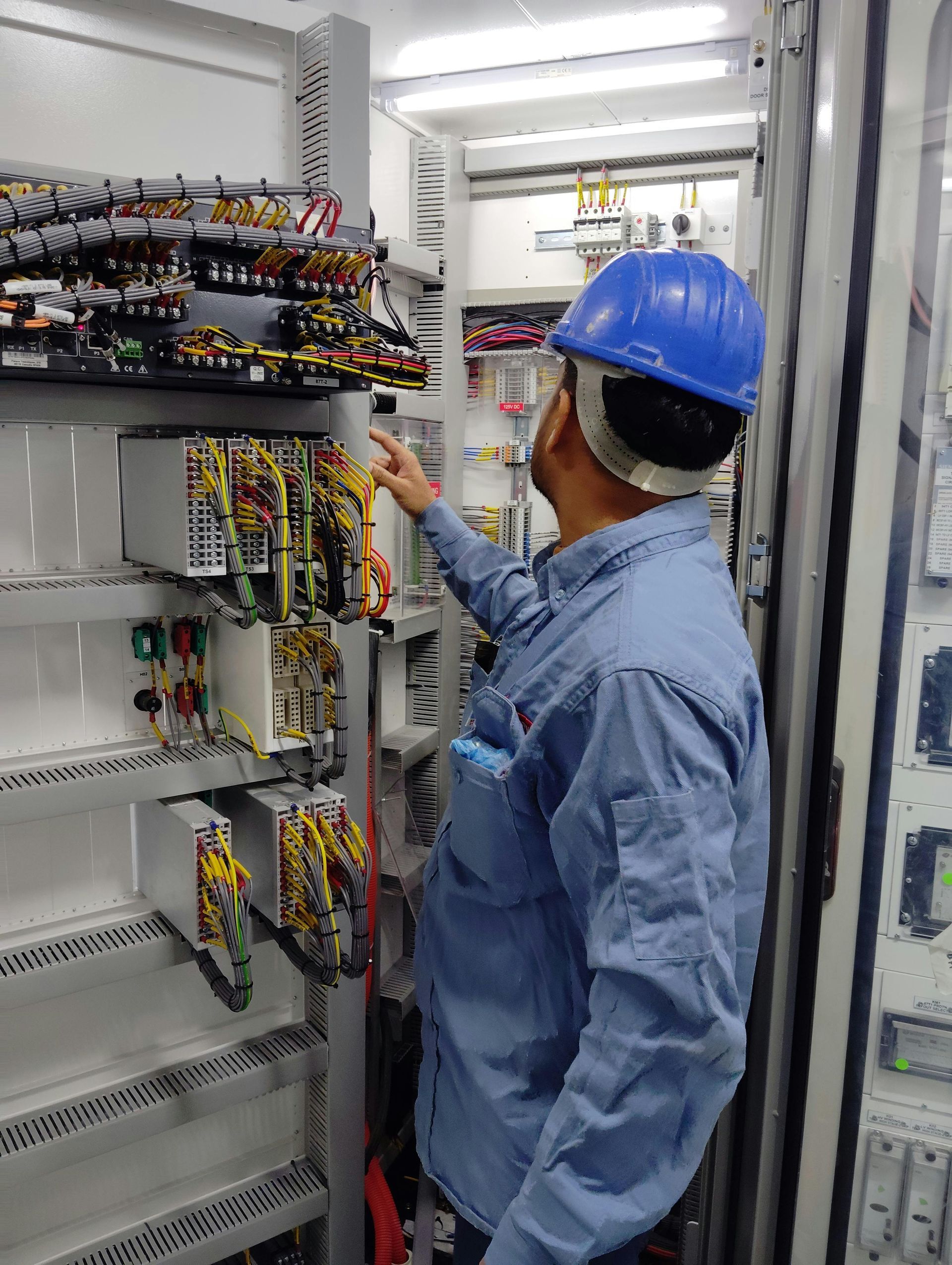
A residential electrical inspection is a comprehensive evaluation of your home’s electrical system. It is performed by a licensed electrician who checks the condition, safety, and code compliance of wiring, outlets, panels, and fixtures throughout the house.
The purpose of an inspection is to:
- Identify potential fire or shock hazards
- Ensure the system meets local and national electrical codes
- Determine whether components are functioning properly
- Prepare for upgrades, sales, insurance, or renovations
- Protect your family, property, and investment
When Should You Get an Electrical Inspection?
Most Pennsylvania homeowners benefit from an electrical inspection in these situations:
- Before buying or selling a home
- When planning a major remodel or addition
- If your home is over 25 years old
- After installing major appliances or systems
- If your lights flicker or breakers trip frequently
- After water damage, flooding, or a fire
- When upgrading your electrical panel
An inspection helps uncover hidden risks that could cause power failures, damage appliances, or increase the risk of electrical fires.
What Does a Residential Electrical Inspection Include?
At Lightning Electric, our inspections follow the National Electrical Code (NEC) guidelines and are tailored to Pennsylvania’s local requirements. Here is a breakdown of what we check during a standard home inspection.
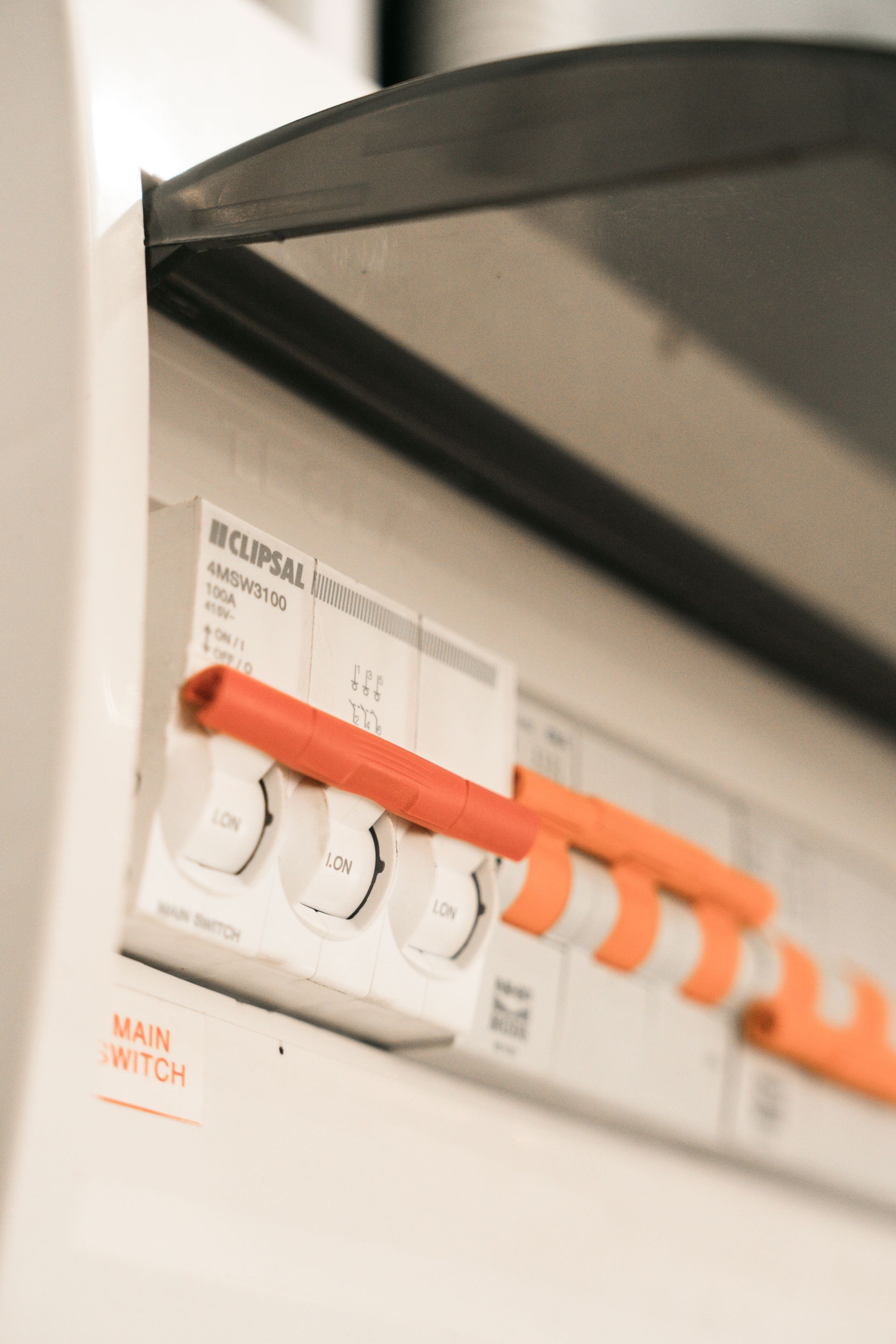
1. Electrical Panel and Breakers
We begin with the heart of your electrical system: the service panel. This is where electricity is distributed to every part of the home.
What we inspect:
- Proper labeling of circuits
- Signs of corrosion, overheating, or burn marks
- Correct breaker sizing for circuits
- Panel grounding and bonding
- Total amperage rating and system capacity
- Compliance with clearance and location rules
If your panel is outdated, overloaded, or improperly wired, we will recommend repair or replacement options.
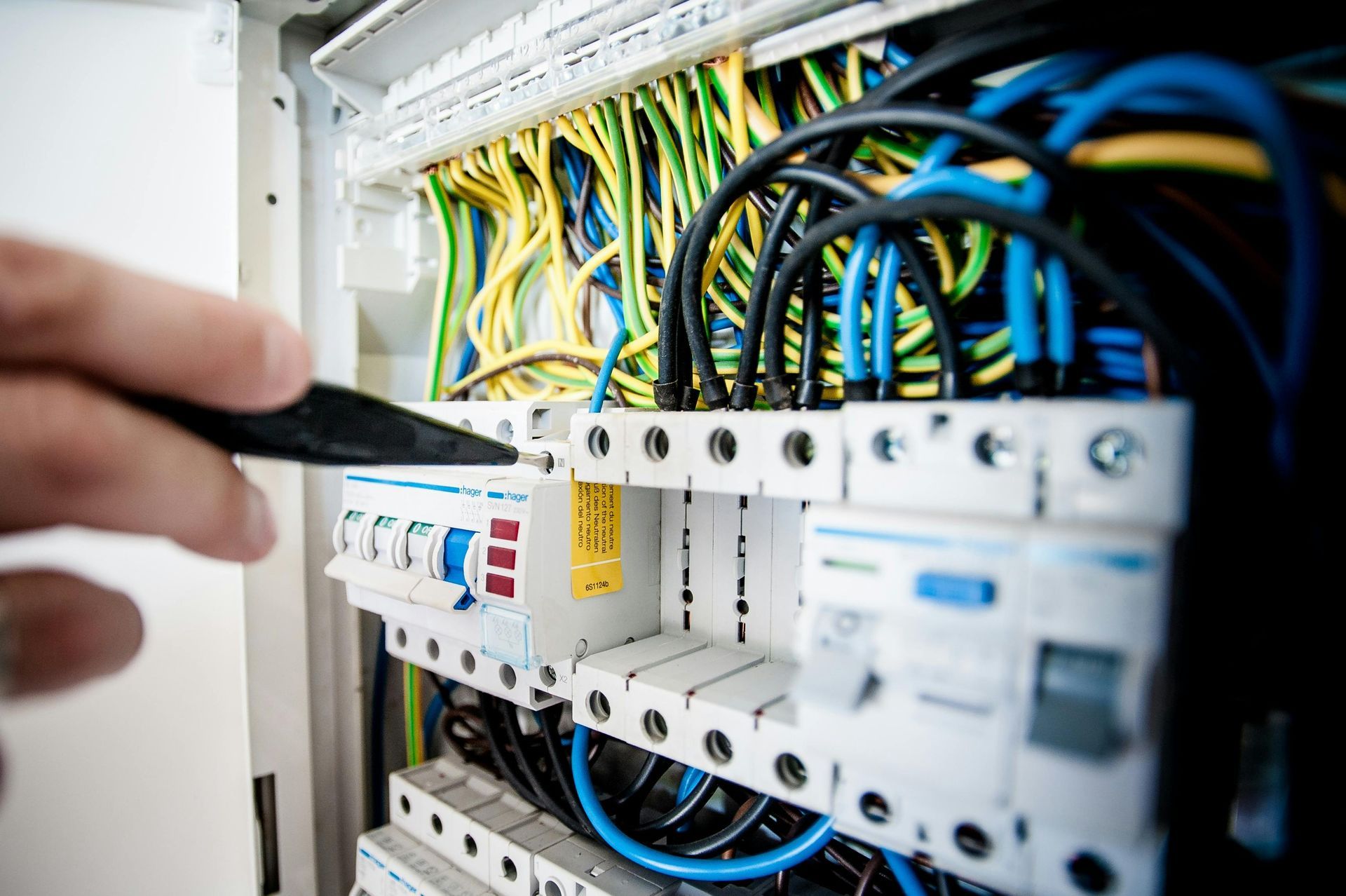
2. Wiring Condition and Type
The type and condition of wiring throughout your home directly affect safety and functionality.
What we look for:
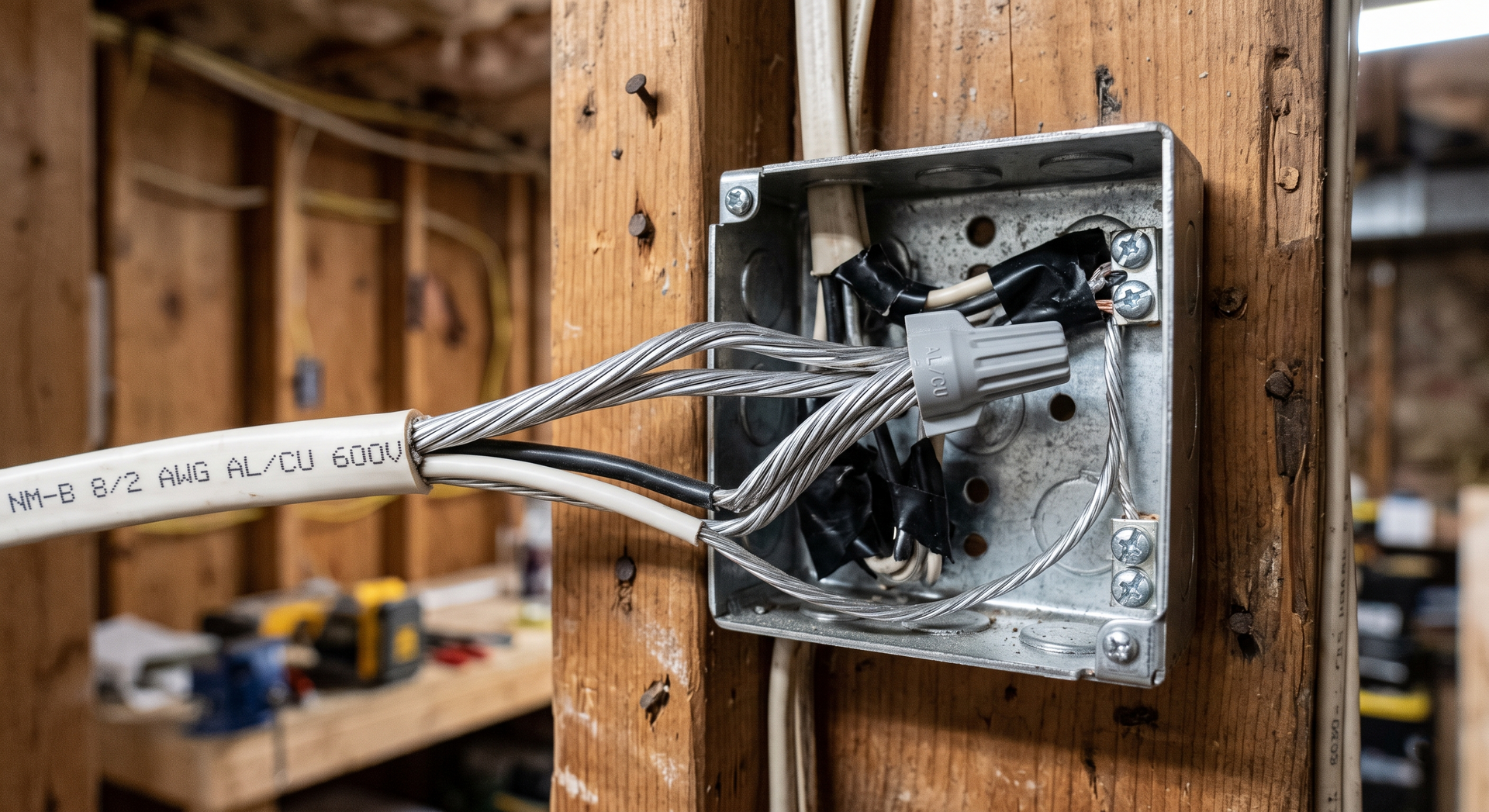
- Presence of aluminum, knob-and-tube, or cloth-covered wiring
- Frayed, brittle, or improperly spliced wires
- Loose connections or exposed conductors
- Undersized or overloaded circuits
- Use of junction boxes and connectors
We also check attic and crawlspace wiring, especially in older homes where rodents or moisture may have caused damage.
3. Grounding and Bonding
Proper grounding ensures stray electrical current is safely discharged. We verify that your home’s grounding system is intact and effective.
Key components we inspect:
- Grounding electrodes (ground rods or rebar)
- Ground wires between the panel, plumbing, and outlets
- Bonding of gas lines and metallic water pipes
- Functionality of grounding terminals at outlets
An inadequate ground system increases the risk of shock, especially during storms or when using appliances.
4. Outlets, Switches, and Fixtures
We test a representative sample of outlets, light switches, and fixtures throughout the home.
What we check:
- GFCI and AFCI protection where required
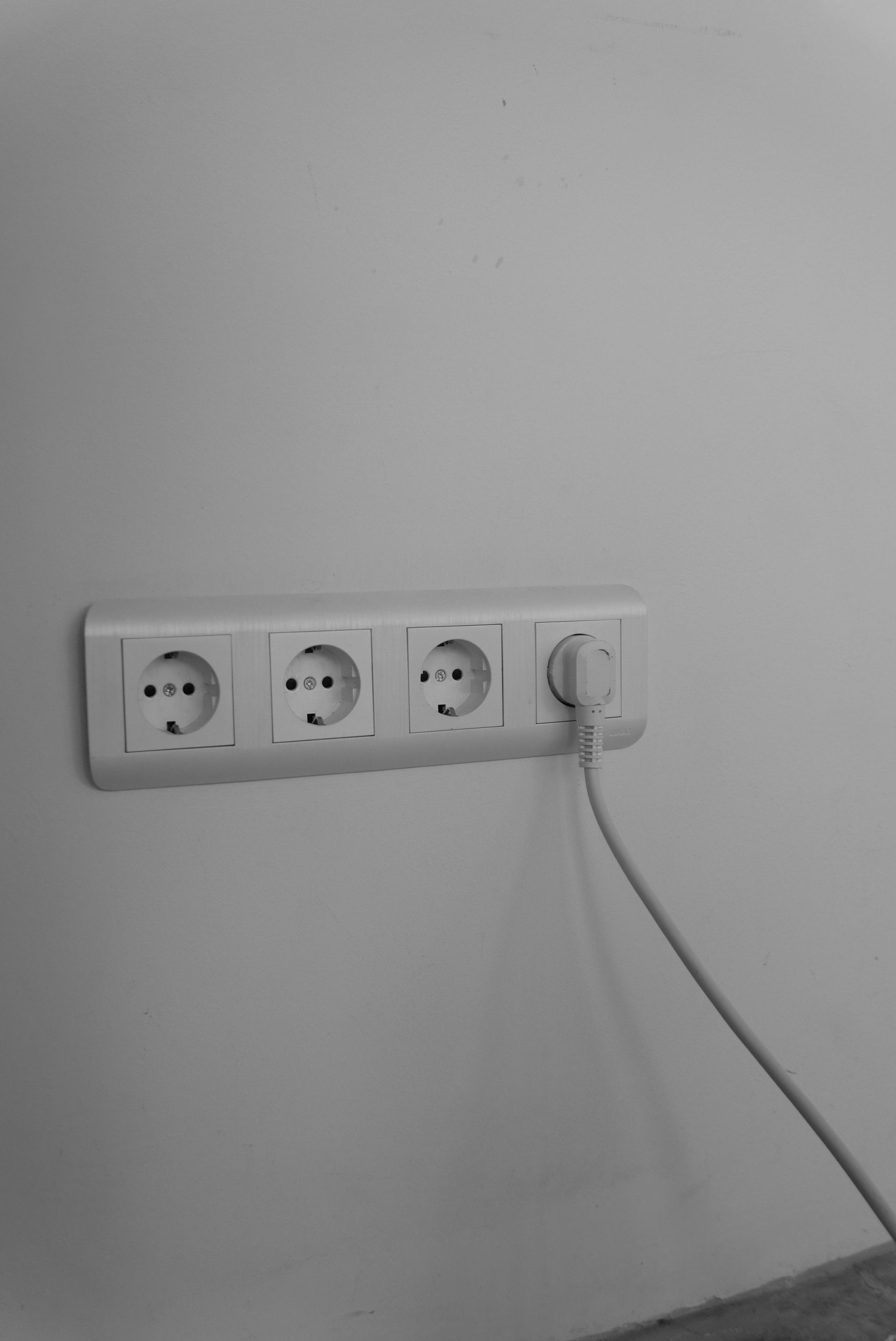
- Proper polarity and grounding of outlets
- Secure attachment of devices and faceplates
- Dimming, flickering, or buzzing symptoms
- Overheating or discoloration from overuse
We also check outdoor outlets, garage receptacles, and other areas where special protection is required.
5. GFCI and AFCI Protection
Ground Fault Circuit Interrupters (GFCIs) and Arc Fault Circuit Interrupters (AFCIs) are key to modern electrical safety.
We verify:
- GFCIs are installed in all wet or damp areas (kitchens, bathrooms, outdoors, laundry rooms)
- AFCIs are present in bedrooms and other required living areas
- Devices trip and reset correctly during testing
- Outlets have appropriate protection at the circuit or device level
Many older homes are missing these safety features, even if they have been updated.
6. Smoke and Carbon Monoxide Detectors
Safety inspections include evaluation of your fire and carbon monoxide detection systems.
We check for:
- Presence of detectors in all required locations
- Functionality and expiration date
- Hardwired vs. battery-powered units
- Interconnected systems where required by code
Modern codes often require detectors to be hardwired with battery backup, especially during remodels or when permits are issued.
7. Surge Protection and Load Management
We assess whether your home is protected from voltage spikes and has adequate circuit capacity for its current load.
Included in this step:
- Presence of whole-home surge protection
- Use of dedicated circuits for large appliances
- Proper circuit load balancing
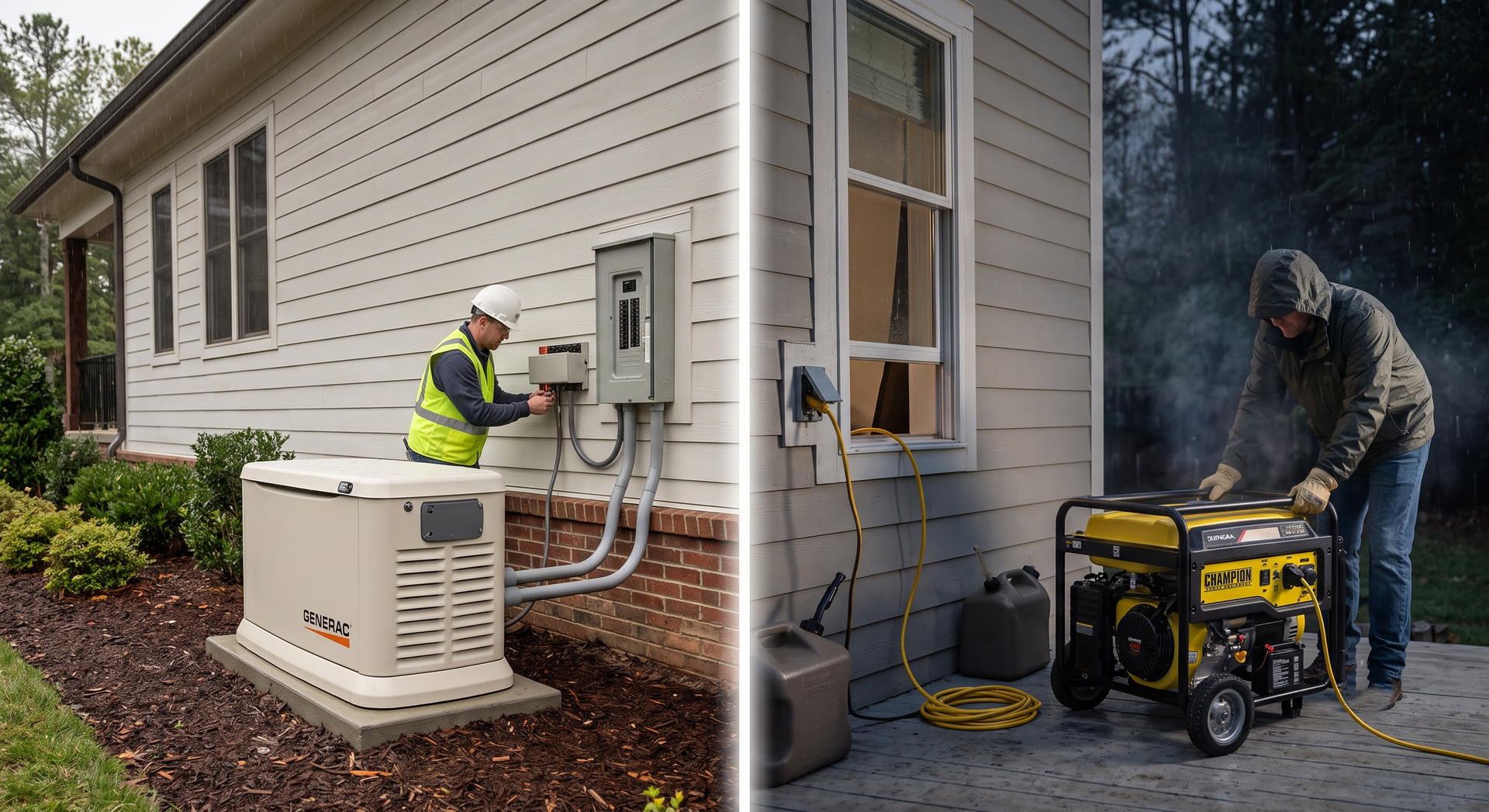
- Backup generator or alternate power source integration
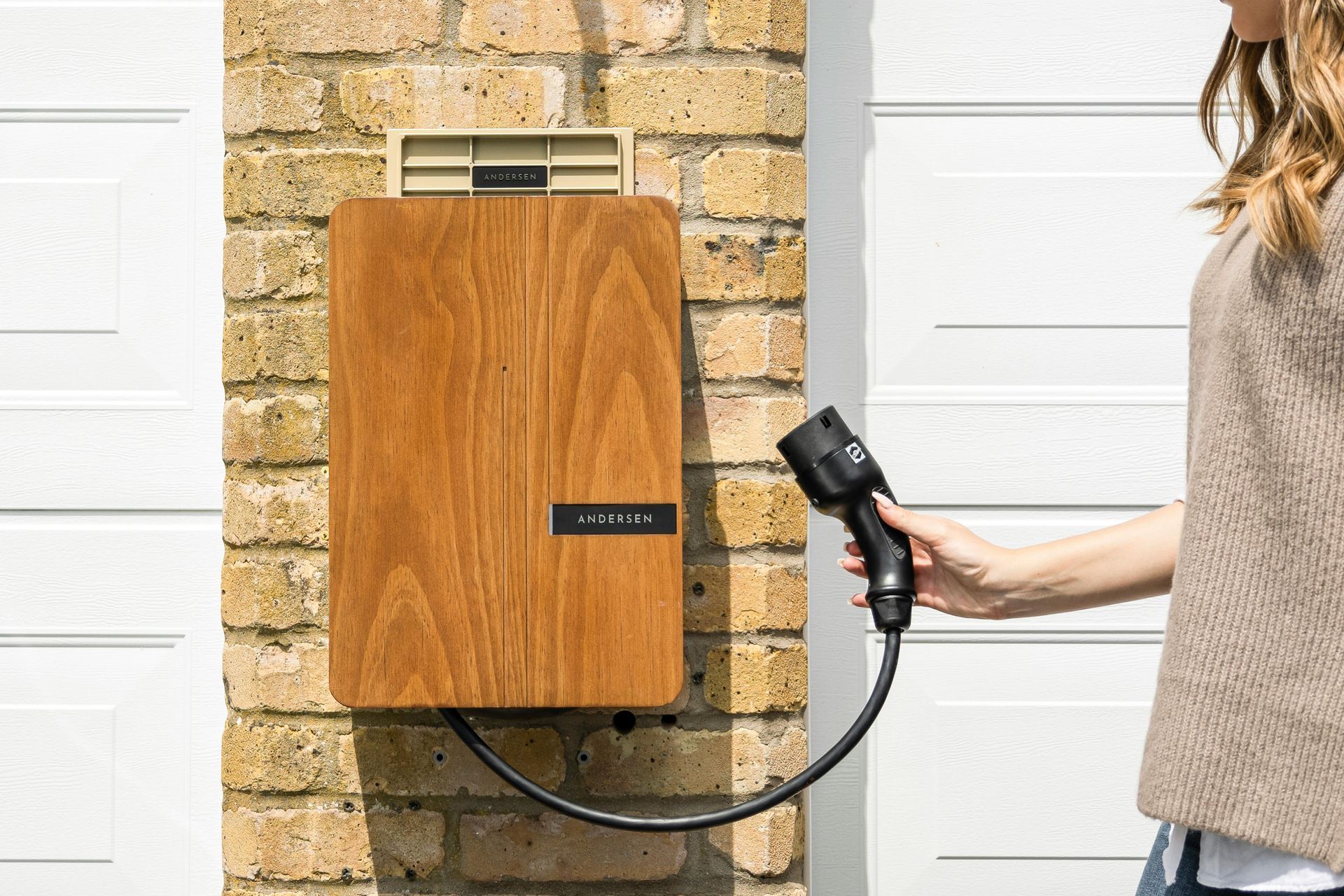
We also discuss future needs, such as adding an electric vehicle charger or solar system.
What Happens After the Inspection?
Once the inspection is complete, we provide you with a written report that outlines:
- Items inspected and tested
- Any violations or hazards discovered
- Recommendations for repairs, replacements, or upgrades
- Estimated costs for remediation (if requested)
You can use this report to guide future maintenance, prepare for renovations, or document compliance for insurers or real estate agents.
How Long Does a Residential Electrical Inspection Take?
Most single-family home inspections take between 1 and 3 hours, depending on the size of the home, access to components, and the complexity of the electrical system. Larger homes or those with detached buildings, subpanels, or additions may take longer.
We work efficiently and respectfully, explaining our findings in plain language and answering any questions you may have.
Common Problems Found During Electrical Inspections
Some of the most frequent issues we uncover include:
- Outdated panels such as Federal Pacific or Zinsco
- Missing GFCI protection in bathrooms and kitchens
- Double-tapped breakers or loose connections
- Ungrounded outlets or reversed polarity
- Exposed wiring in attics or crawlspaces
- Overloaded circuits or inadequate panel capacity
Catching these problems early can prevent dangerous situations and save you thousands in damage or repair costs.
Frequently Asked Questions
Is an electrical inspection required when selling a home?
In most areas of Pennsylvania, it is not legally required, but many buyers request one. A recent inspection report can reassure buyers and speed up the sale.
How much does a home electrical inspection cost?
Costs vary by home size and scope, but Lightning Electric offers affordable flat-rate inspections with optional upgrade estimates included.
Can I perform my own electrical inspection?
You can spot basic issues, but only a licensed electrician can evaluate the system thoroughly and determine code compliance.
What if my home fails the inspection?
We will provide a detailed list of corrections needed and can perform the repairs ourselves, often in the same week as your inspection.
Schedule a Residential Electrical Inspection with Lightning Electric
If your home is more than 20 years old, has not been inspected recently, or is undergoing remodeling, now is the time to schedule a professional evaluation. Lightning Electric has performed hundreds of inspections for homeowners throughout Morrisdale, Clearfield County, and surrounding Pennsylvania communities.
Call (814) 577-5202 to request your home electrical inspection
Visit:
https://www.lightning-electricpa.com/
Protect your home. Power it safely. Choose Lightning Electric.