Whether you are buying or selling a home, upgrading your electrical panel, or preparing for a major renovation, a residential electrical inspection is a vital step. But to make the process smooth and efficient, homeowners should understand what to expect and how to prepare ahead of time.
At Lightning Electric, we conduct thorough electrical inspections across Morrisdale and Clearfield County, Pennsylvania. This guide will walk you through how to get your home ready, what the electrician will be checking, and what you can do to avoid delays or failed inspections.
Why Electrical Inspections Are So Important
Electrical systems power nearly every function in your home, from lighting and appliances to heating, internet access, and security. Faulty wiring, outdated panels, or improperly installed outlets can pose major fire and shock hazards.
A professional inspection ensures:
- Compliance with local and national codes
- Safe and correct system installation
- Identification of worn, damaged, or outdated components
- Accurate recommendations before renovations or sales
Failing an inspection can delay projects or real estate transactions. Being proactive ensures your system meets expectations the first time.
What Inspectors Will Be Looking For
Although inspection specifics vary based on the purpose (e.g., real estate sale, remodel, insurance, or code enforcement), most licensed electricians evaluate the following:
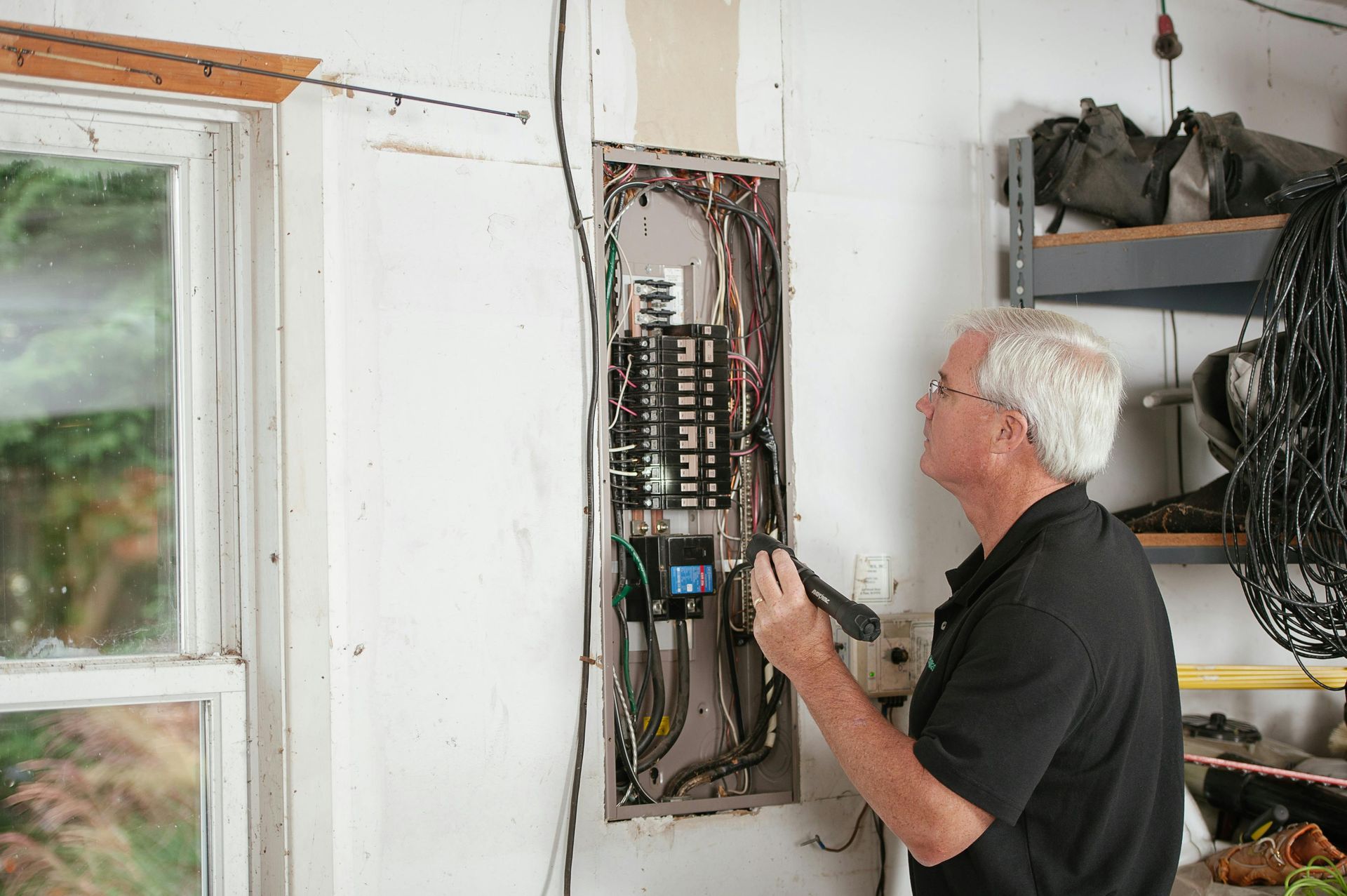
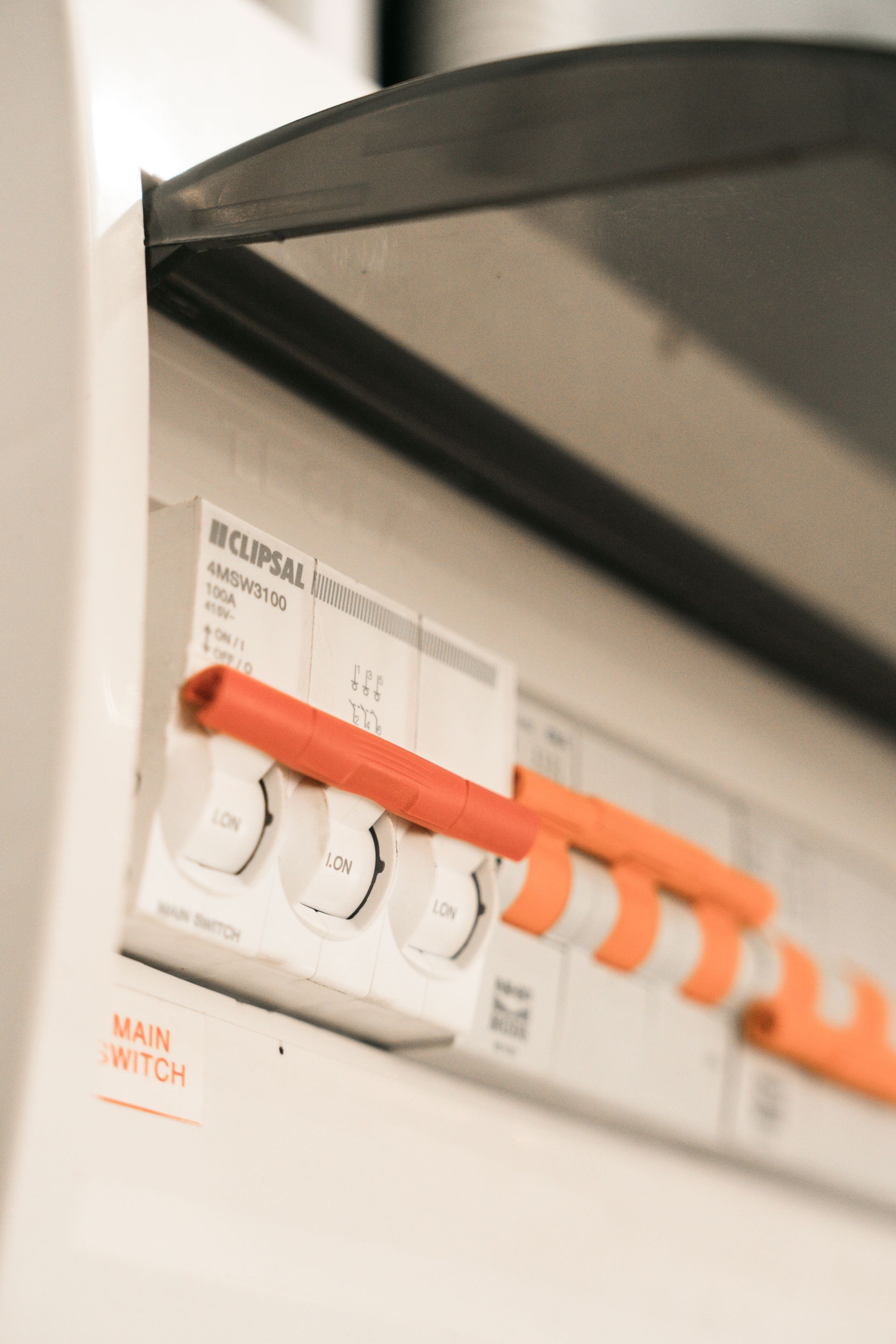
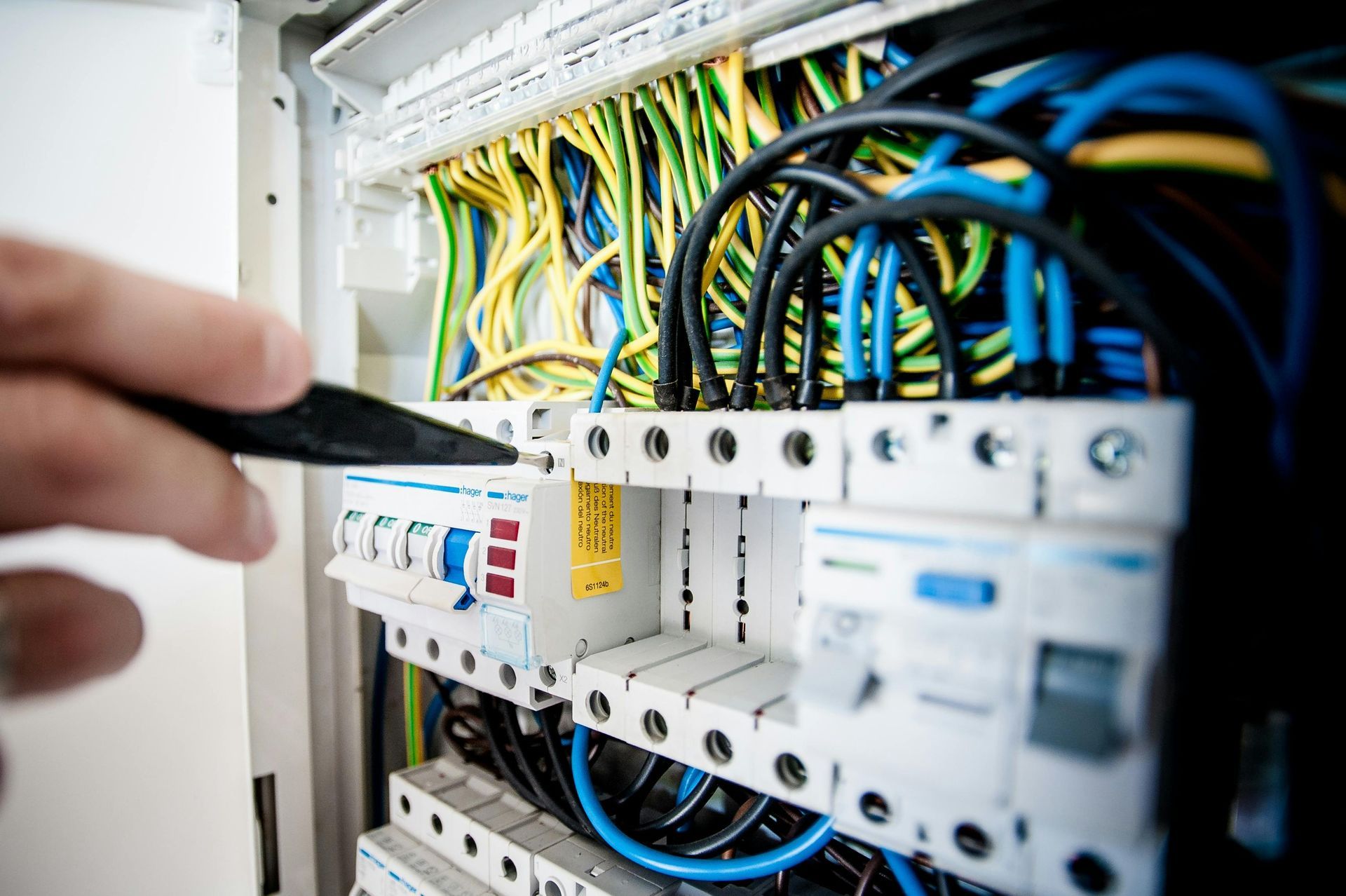
- Main service panel: capacity, wiring, grounding, breaker function
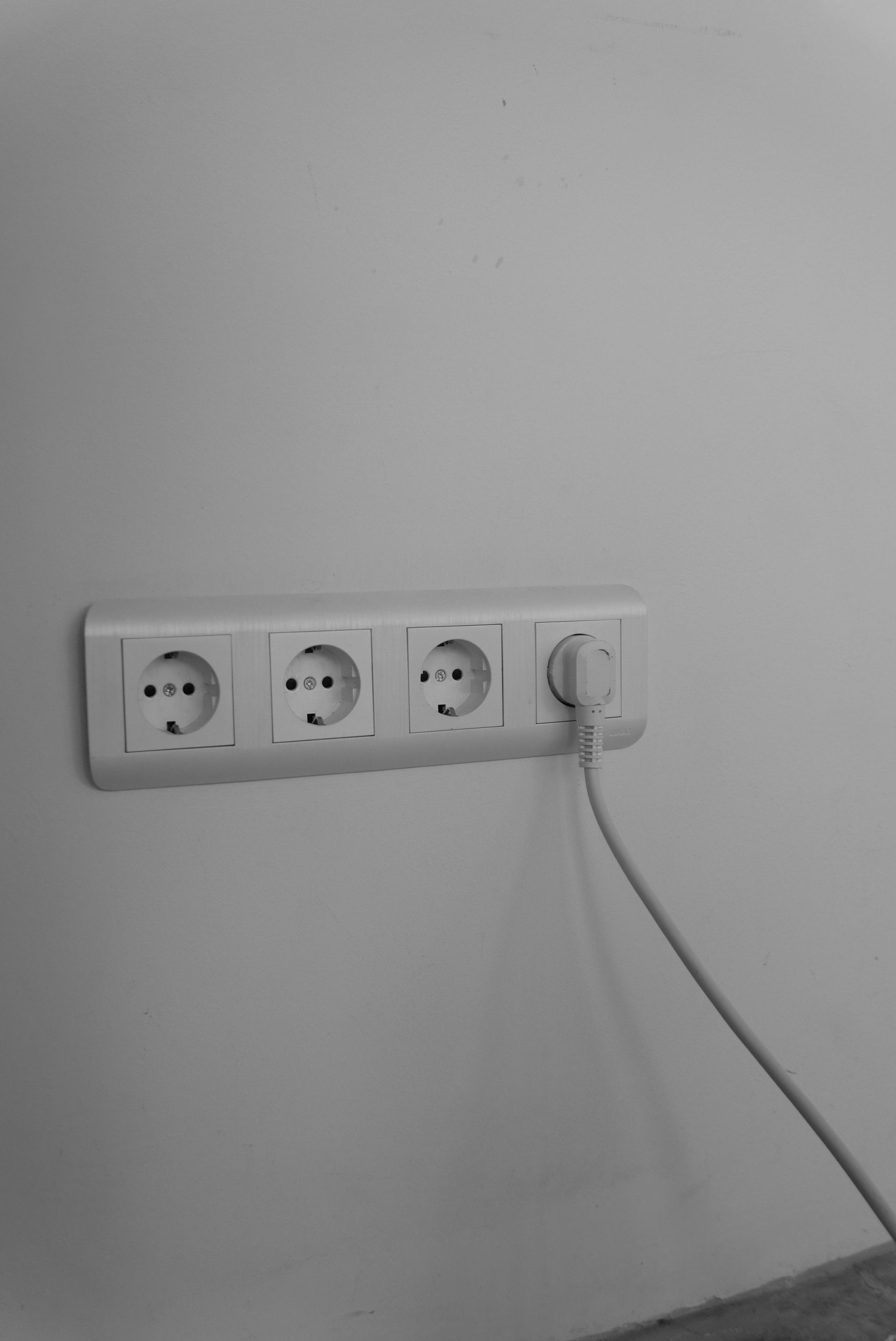
- Circuits and outlets: load, safety, and proper use of GFCI/AFCI protection
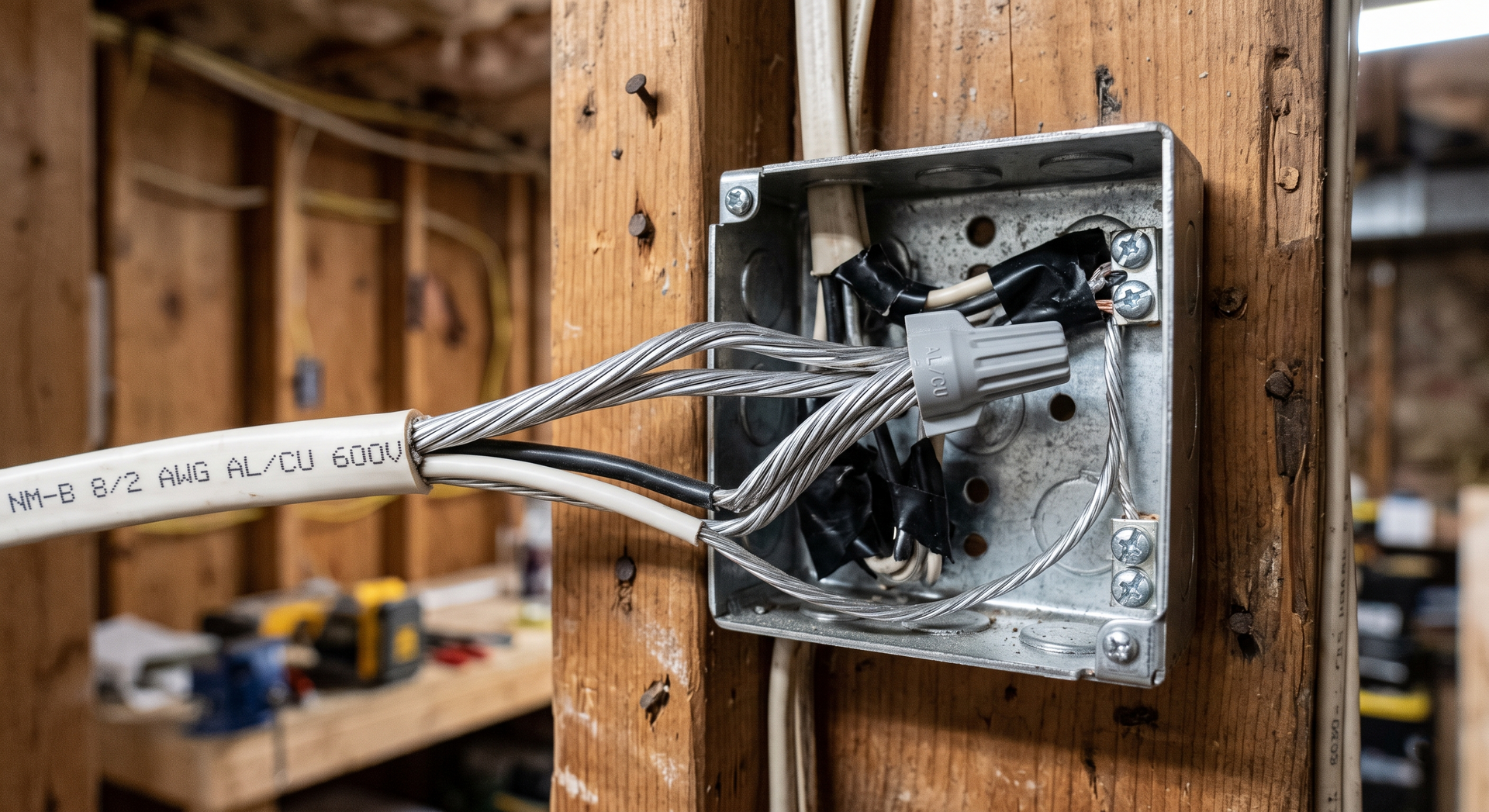
- Wiring: condition, routing, and type (e.g., aluminum, cloth, knob-and-tube)
- Lighting fixtures and switches
- Grounding and bonding systems
- Smoke and carbon monoxide detectors
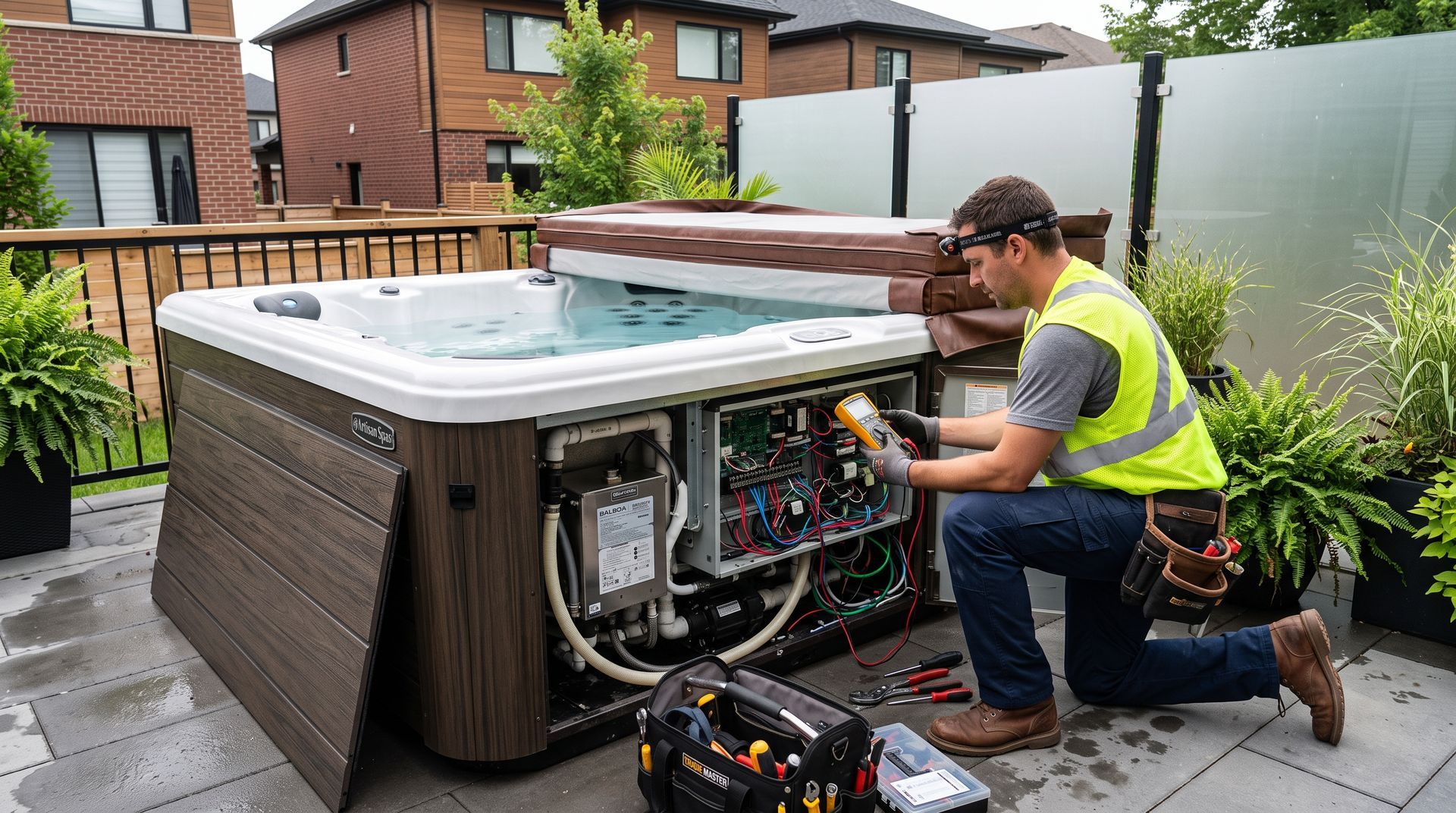
- Outdoor electrical components
- Recent electrical work and visible compliance
Understanding what the electrician is looking for can help you identify and correct issues ahead of time.
How to Prepare for a Home Electrical Inspection
A few simple preparations can make the inspection process much faster and more productive.
1. Provide Full Access to Electrical Components
Inspectors need access to all panels, outlets, visible wiring, and fixtures.
Steps to take:
- Clear boxes, furniture, or shelving in front of the main electrical panel
- Unlock basements, garages, attics, or sheds that may contain subpanels or wiring
- Make sure crawlspaces or mechanical rooms are safe and accessible
- Unlock outdoor meter boxes if needed
If the inspector cannot reach key areas, the inspection may be delayed or deemed incomplete.
2. Gather Documentation
If you have had recent electrical upgrades or work performed, prepare the paperwork.
Helpful documents:
- Permit applications and approval forms
- Receipts or invoices from licensed contractors
- Previous inspection reports or violation corrections
- Warranty info for panels, breakers, or surge protectors
This information helps the electrician verify compliance and avoid redundant testing.
3. Test Smoke and Carbon Monoxide Detectors
Code now requires hardwired and interconnected detectors in key areas of the home.
Make sure:
- Detectors are installed in each bedroom, hallway, and floor
- Batteries are fresh (if applicable)
- Units are less than 10 years old
- You test each detector in advance
A failed detector is a common reason inspections are flagged.
4. Ensure GFCI and AFCI Protection
Homes in Pennsylvania are required to have:
- GFCIs in bathrooms, kitchens, garages, laundry rooms, outdoors, and basements
- AFCIs in bedrooms and main living areas (for newer homes or upgrades)
Press the test and reset buttons on each outlet to verify function. Outdated or missing protection should be updated before inspection.
5. Check for Common Code Violations
Avoid the most common issues found during inspections by addressing them ahead of time:
- Double-tapped breakers or mismatched breaker sizes
- Ungrounded outlets or reversed polarity
- Loose switch plates or missing junction box covers
- Extension cords used as permanent wiring
- Lighting fixtures with incorrect bulb wattage or exposed wiring
If you are unsure, Lightning Electric can provide a pre-inspection consultation to walk through any visible concerns.
During the Inspection: What to Expect
Electrical inspections typically take 1 to 2 hours, depending on the home size and scope. You should be present or available to answer questions and provide access as needed.
The inspector will:
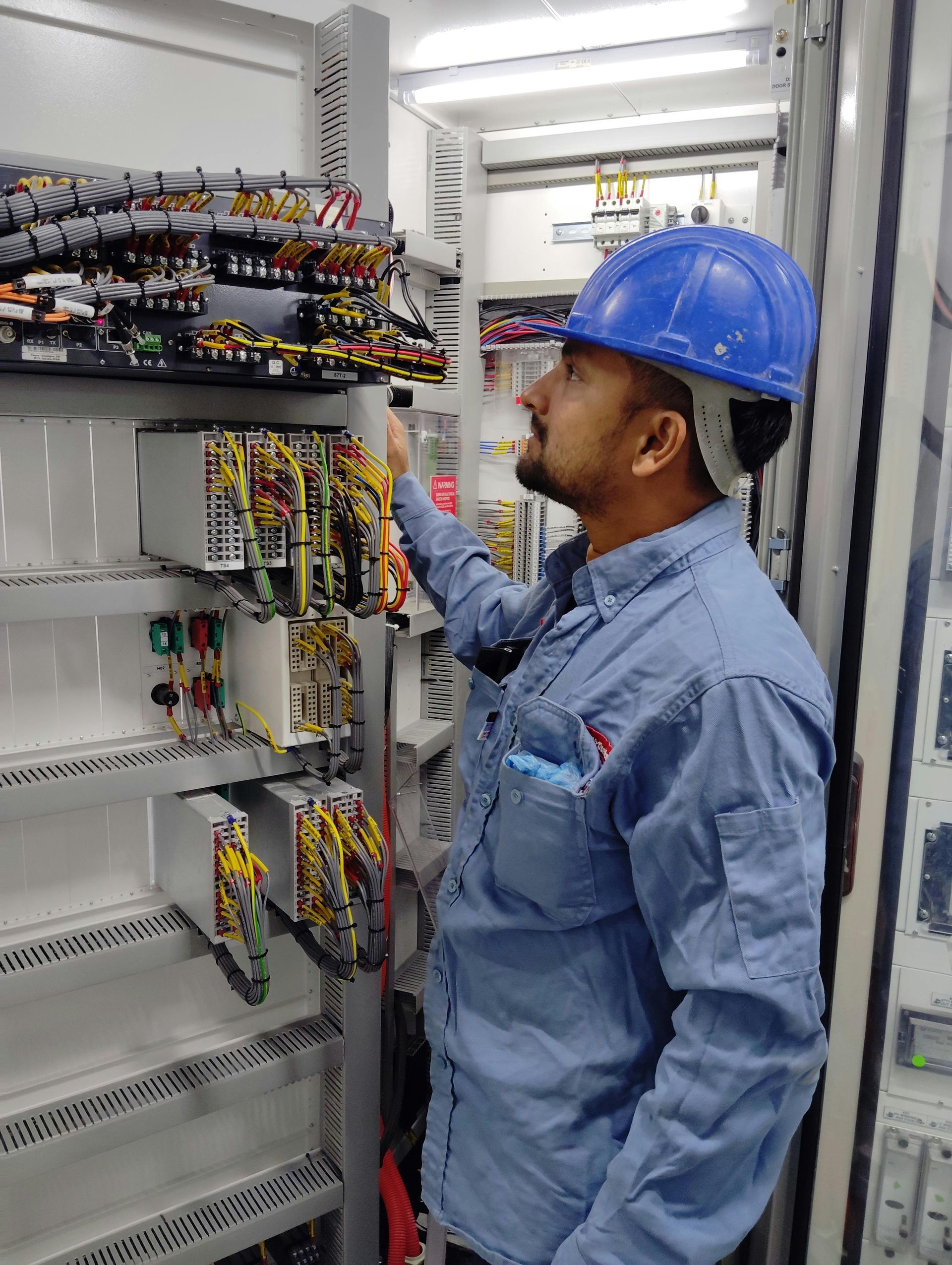
- Perform visual checks of all panels, outlets, and fixtures
- Use voltage testers, outlet testers, and circuit tracers
- Operate GFCI and AFCI devices
- Inspect grounding rods and bonding connections
- Evaluate wiring methods and breaker panel labeling
- Document findings and discuss recommendations
You will receive a report outlining any deficiencies, hazards, or suggestions for upgrades. If the system passes, it will be documented accordingly for permits, sales, or insurance.
After the Inspection: What Comes Next
If your home passes inspection, you are good to go. If issues are found, the inspector may provide a list of corrections and a timeline for re-inspection.
Next steps may include:
- Scheduling electrical repairs or upgrades
- Replacing outdated or unsafe components
- Submitting documentation of completed work
- Requesting a follow-up inspection for final approval
Working with a full-service contractor like Lightning Electric ensures you do not have to call multiple professionals. We handle inspections, corrections, upgrades, and permitting under one roof.
Frequently Asked Questions
Do I need to be home during the inspection?
Yes, especially if access to breaker panels, attics, or locked rooms is required. Your presence also allows the inspector to explain findings.
How much does a home electrical inspection cost?
Cost depends on home size and purpose, but standard inspections are affordable and often pay for themselves in safety improvements.
Will my insurance provider require an inspection?
In many cases, yes — especially for older homes or when switching policies. Inspections confirm that the system meets underwriting requirements.
What happens if I fail an inspection?
The inspector will provide a detailed list of code violations or issues. You will have a chance to correct the problems and schedule a re-inspection.
Can I do any of the repairs myself?
Minor tasks like changing outlet covers or light bulbs are fine, but most electrical work in Pennsylvania must be performed by a licensed electrician.
Schedule Your Electrical Inspection with Lightning Electric
If you are preparing for a remodel, real estate transaction, or insurance update, an electrical inspection gives you peace of mind and protects your home.
Call (814) 577-5202 to schedule an inspection or pre-inspection consultation
Visit: https://www.lightning-electricpa.com/
Serving Morrisdale, Clearfield County, and surrounding Pennsylvania communities.