
Hot Tub Electrical Requirements Every Homeowner Should Know

September 11, 2026

Hot Tub Electrical Requirements

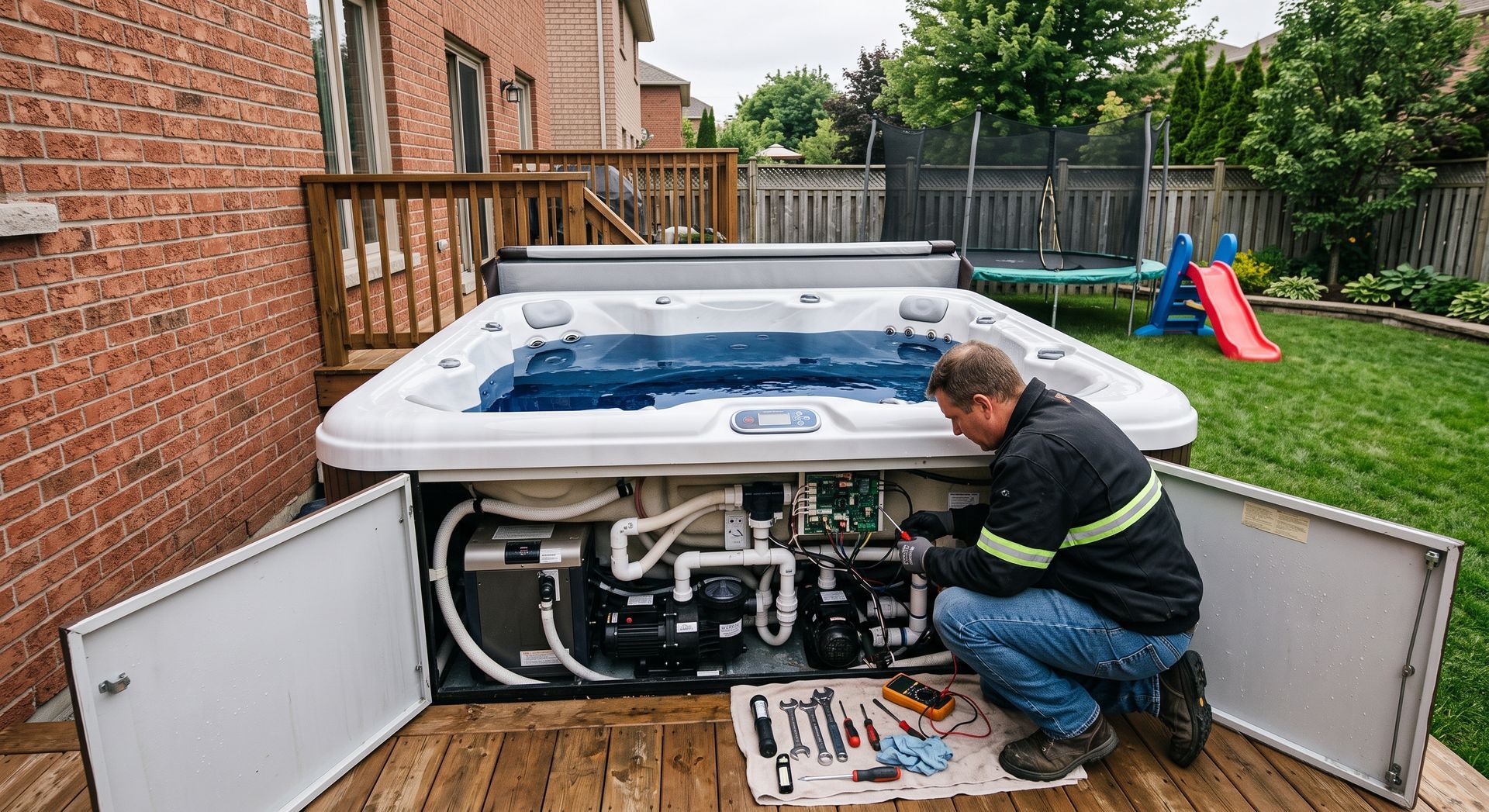
Technician inspecting open hot tub equipment on a backyard deck beside a brick house

Installing a hot tub can be a great addition to a home, especially for homeowners looking to improve relaxation, comfort, and outdoor living space. However, many homeowners underestimate the importance of proper electrical installation when preparing for a new hot tub.

Hot tubs require significant electrical power, and improper installation can create serious safety hazards, including electrical shock risks, damaged equipment, and fire concerns. Before installation begins, homeowners should understand the electrical requirements involved and why professional electrical work is essential.

For homeowners throughout Morrisdale, Clearfield, Philipsburg, Houtzdale, and surrounding Central Pennsylvania communities, working with a licensed electrician helps ensure the hot tub is installed safely and according to current electrical codes.

At Lightning Electric, we help homeowners prepare their electrical systems for safe, dependable hot tub operation.

Why Hot Tubs Require Specialized Electrical Installatio

Hot tubs use a combination of:

  • Heating systems
  • Pumps
  • Jets
  • Lighting
  • Control panels

These components require dedicated electrical power to operate safely and consistently. Because hot tubs combine water and electricity, proper wiring and grounding are critical.

Unlike standard household appliances, hot tubs typically require:

  • Dedicated circuits
  • GFCI protection
  • Proper grounding
  • Outdoor-rated electrical components
  • Code-compliant disconnect switches

Improper electrical installation can increase the risk of:

  • Electrical shock
  • System damage
  • Frequent breaker trips
  • Fire hazards

Most Hot Tubs Require a Dedicated Circuit

One of the most important electrical requirements for a hot tub is a dedicated circuit.

A dedicated circuit means the hot tub operates on its own electrical line without sharing power with other outlets or appliances. This helps prevent overloads and ensures the system receives stable electrical supply.

Without a dedicated circuit, homeowners may experience:

  • Tripped breakers
  • Overheated wiring
  • Reduced equipment performance
  • Electrical safety concerns

A licensed electrician can determine the correct circuit size based on the hot tub manufacturer’s specifications.

GFCI Protection Is Required

Ground fault circuit interrupter (GFCI) protection is one of the most important safety features for hot tub installations.

GFCI devices are designed to quickly shut off electrical power if they detect unsafe current flow. This protection helps reduce the risk of electrical shock in wet environments.

Because hot tubs involve direct exposure to water, GFCI protection is required by electrical code in most installations.

Professional electricians ensure:

  • Proper GFCI breaker installation
  • Correct wiring connections
  • Safe grounding practices
  • Code-compliant protection systems

Outdoor Electrical Components Must Be Weather Resistan

Most hot tubs are installed outdoors, which means electrical components must be able to handle:

  • Rain
  • Snow
  • Moisture
  • Temperature changes
  • Humidity

Outdoor-rated electrical equipment is designed to protect wiring and connections from environmental exposure.

This may include:

  • Weather-resistant conduit
  • Outdoor disconnect boxes
  • Sealed electrical fittings
  • Exterior-rated outlets and covers

Proper installation helps reduce long-term wear and electrical safety risks.

Electrical Panels May Need Upgrades

Some homes, especially older properties throughout Clearfield County and Central Pennsylvania, may not have enough electrical capacity to support a new hot tub.

Signs your electrical system may need evaluation include:

  • Frequently tripped breakers
  • Limited breaker space
  • Older electrical panels
  • Flickering lights
  • Existing heavy appliance usage

Adding a hot tub increases electrical demand, and some homes may require:

  • Panel upgrades
  • Service upgrades
  • Additional circuits
  • Wiring improvements

A licensed electrician can inspect the system and determine whether upgrades are needed before installation.

Proper Hot Tub Placement Matters

The location of the hot tub affects both safety and installation requirements.

Electrical codes often specify minimum distances between hot tubs and:

  • Overhead power lines
  • Electrical outlets
  • Disconnect switches
  • Electrical panels

Professional planning helps ensure:

  • Safe wiring access
  • Proper drainage
  • Code compliance
  • Convenient maintenance access

Homeowners should avoid placing hot tubs near unsafe electrical conditions or areas prone to standing water.

Why DIY Hot Tub Wiring Is Dangerous

Hot tub electrical work should never be treated as a do-it-yourself project. Because water and electricity create serious hazards, improper installation can lead to severe injuries or equipment failure.

DIY electrical work may result in:

  • Electrical shock risks
  • Code violations
  • Unsafe grounding
  • Damaged hot tub systems
  • Fire hazards
  • Failed inspections

Professional electricians understand the safety standards and electrical code requirements necessary for outdoor spa installations.

According to the Electrical Safety Foundation International, water and electricity create heightened shock risks when electrical systems are improperly installed.

Common Hot Tub Electrical Questions

Can I plug a hot tub into a regular outlet?

Some smaller portable spas use standard outlets, but most permanent hot tubs require dedicated 240-volt circuits installed by a licensed electrician.

Does every hot tub need GFCI protection?

Yes. GFCI protection is required for most residential hot tub installations to improve electrical safety.

Can older homes support hot tubs?

Many can, but some older homes may need panel upgrades or additional electrical work first.

How far should the disconnect switch be from the hot tub?

Electrical codes require disconnect switches to be accessible while maintaining safe distance requirements from the water.

Benefits of Professional Hot Tub Electrical Installation

Professional installation helps ensure:

  • Safe electrical operation
  • Proper circuit sizing
  • Reliable system performance
  • Electrical code compliance
  • Reduced long-term maintenance issues

At Lightning Electric, we help homeowners prepare their electrical systems for safe and dependable hot tub use throughout the year.

Why Homeowners Trust Lightning Electric

Homeowners throughout Morrisdale, Philipsburg, Houtzdale, Osceola Mills, Grassflat, Wallaceton, Hawk Run, Bigler, and surrounding Central PA communities trust Lightning Electric for safe and reliable electrical services.

Our team provides:

  • Hot tub electrical wiring
  • Dedicated circuit installation
  • Electrical panel evaluations
  • GFCI protection installation
  • Residential electrical upgrades
  • Code-compliant electrical work

We help homeowners complete hot tub installations safely and professionally.

Schedule a Hot Tub Electrical Consultation

If you are planning to install a hot tub, Lightning Electric can help ensure your electrical system is ready for safe operation.

Contact our team today to schedule a consultation for hot tub electrical installation services in Clearfield County and surrounding Central Pennsylvania communities.

Serving Morrisdale, Clearfield, Philipsburg, Houtzdale, Osceola Mills, Grassflat, Wallaceton, Hawk Run, Bigler, and nearby areas.

Recent Posts

Electrical breaker panel and open metal control box with wiring and circuit breakers inside
August 26, 2026
Learn why dedicated electrical circuits are essential for large appliances and how they help prevent overloads, improve safety and better protect Pennsylvania homes.
Exposed electrical outlet box with wires on a wooden wall during construction
August 11, 2026
Learn the warning signs of aluminum wiring and why older Pennsylvania homes may need professional electrical upgrades. Protect your home with expert electrical help.
Split image: outdoor HVAC technician servicing a home unit; worker operating a generator at night in rain.
July 27, 2026
Learn the difference between standby and portable generators and which option is best for Pennsylvania homeowners during power outages and emergencies. Call today!
Wall outlet strip on a gray wall with one plug and cord connected
July 10, 2026
Learn what causes warm or sparking outlets and when Pennsylvania homeowners should call a licensed electrician for safe, reliable repairs. Protect your home!
Close-up of an electrical breaker panel with orange switches under a black cover.
June 26, 2026
Learn the common reasons circuit breakers keep tripping and when Pennsylvania homeowners should call a licensed electrician for safe, reliable repairs. Call today!
Hand inspecting electrical panel with blue, yellow, and black wiring inside an open cabinet
June 11, 2026
Learn how whole-home surge protection helps Pennsylvania homeowners protect appliances, electronics, and electrical systems from costly damage today. Learn more!
Wall-mounted wooden EV charger beside brick wall, with a person holding the charging plug.
May 27, 2026
Learn what homeowners in Clearfield County, PA should know about safe EV charger installation for reliable, convenient home charging by trusted pros today. Call now!
Technician in blue hard hat inspecting wiring inside an electrical control cabinet.
May 7, 2026
Planning a remodel in Pennsylvania? Learn why hiring a licensed electrician is essential for safe, code-compliant home renovations and repairs. Contact us today.
Technician in hard hat inspecting electrical control panel with exposed wiring in a utility room
April 22, 2026
Learn how to prepare your home for an electrical inspection with a helpful checklist, code tips, and expert guidance from Lightning Electric in Morrisdale, PA.
A technician in a navy uniform kneels outside, using a tool to service a residential air conditioning unit.
April 7, 2026
HVAC maintenance is as important as electrical care. Learn how regular HVAC service in your PA home improves safety, boosts efficiency, and ensures year-round.
Show More