How Smart Thermostats Reduce Energy Bills in Central Pennsylvania

September 28, 2026

Smart Thermostats for Pennsylvania Homes

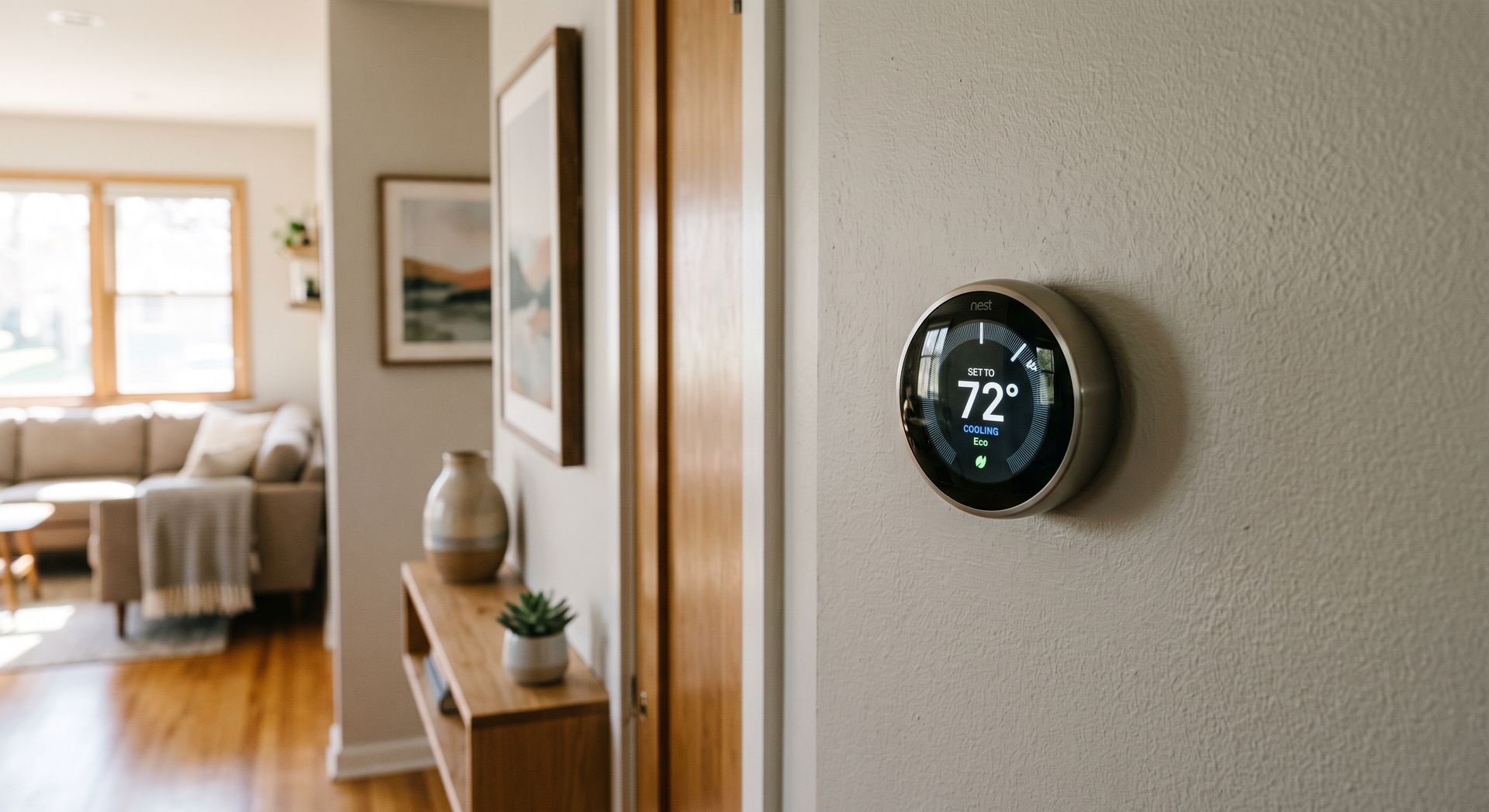
Hallway wall with a round thermostat displaying 72°F, leading to a bright living room.

Smart thermostats can help reduce heating and cooling costs by automatically adjusting temperatures when you are away, asleep, or following a regular schedule. They also provide greater control over HVAC operation, making it easier to reduce unnecessary energy use without sacrificing everyday comfort.

For homeowners in Morrisdale, Clearfield, Philipsburg, Houtzdale, and surrounding Central Pennsylvania communities, a smart thermostat can be a practical upgrade for managing year-round heating and cooling.

Lightning Electric helps homeowners install and configure smart thermostats that are compatible with their HVAC and electrical systems.

What Is a Smart Thermostat?

A smart thermostat is a connected device that controls a home's heating and cooling equipment. Unlike a basic thermostat, many smart models offer automation, scheduling, remote access, and energy-monitoring features.

Depending on the model, homeowners may be able to:

  • Adjust temperatures remotely
  • Create heating and cooling schedules
  • Monitor energy use
  • Receive system alerts
  • Control settings through a mobile app
  • Integrate HVAC controls with smart home technology

These features make it easier to adjust HVAC operation based on how and when a home is occupied.

How Do Smart Thermostats Improve Energy Efficiency?

Heating or cooling an empty home to the same temperature you prefer while occupying it can waste energy.

Smart thermostats help address this by automatically adjusting temperature settings according to schedules, occupancy, and homeowner preferences.

For example, a thermostat may lower the heating setting while everyone is at work, reduce unnecessary cooling when a home is empty, and return the house to a comfortable temperature before occupants arrive.

The U.S. Department of Energy explains that programmable thermostats can automatically adjust temperatures at scheduled times, while smart thermostats can offer additional controls based on occupancy or activity.

Remote Temperature Control Adds Convenience

Remote access is one of the most useful smart thermostat features. Depending on the system, homeowners can adjust HVAC settings using a smartphone or other connected device while away from home.

This can be particularly useful for:

  • Busy work schedules
  • Vacations
  • Unexpected weather changes
  • Second homes
  • Adjusting temperatures before returning home

Central Pennsylvania temperatures can vary considerably between seasons, so remote access gives homeowners another way to manage comfort without being physically present at the thermostat.

Can Smart Thermostats Reduce Energy Bills?

Smart thermostats do not create savings simply by being installed. Their value comes from using scheduling, setbacks, occupancy features, and other controls to reduce unnecessary heating and cooling.

The U.S. Department of Energy notes that homeowners may save as much as 10% annually on heating and cooling by adjusting thermostat settings 7°–10°F for eight hours per day. Actual savings depend on factors such as climate, HVAC equipment, home efficiency, thermostat settings, and household habits.

For additional guidance, see the U.S. Department of Energy's HVAC Programmable Thermostats resource.

Smart Thermostats Can Improve Home Comfort

Energy management is only part of the appeal. Smart thermostats can also make indoor temperature control more convenient and consistent.

Depending on the model, features may include:

  • Learning temperature preferences
  • Occupancy detection
  • Remote temperature sensors
  • Humidity monitoring
  • Energy-use reports
  • Smart home integration

Features vary considerably between thermostat models, so homeowners should choose a device based on their HVAC system and the functions they actually plan to use.

Why Does HVAC Compatibility Matter?

Not every thermostat works with every heating and cooling system.

Compatibility may depend on:

  • HVAC system type and age
  • Existing wiring
  • Heat pump configuration
  • Multi-stage equipment
  • Zoned HVAC systems
  • Available thermostat power

Installing an incompatible thermostat can result in unreliable operation or communication problems with HVAC equipment.

Homes with heat pumps deserve particular attention because thermostat setbacks and controls need to work appropriately with the equipment.

Do Older Pennsylvania Homes Need Wiring Updates?

Some older homes in Clearfield County and surrounding Central Pennsylvania communities may not have the wiring required by certain smart thermostats.

For example, a thermostat may require a common wire, often called a C-wire, to provide continuous power. Existing wiring and system requirements should be checked before installation.

If electrical changes are needed, professional Residential Electrical Services can help determine whether the home's wiring requires modification before the new thermostat is installed.

Can a Smart Thermostat Connect to Other Smart Home Devices?

Many smart thermostats can integrate with compatible home automation platforms and devices.

Depending on the products involved, homeowners may be able to connect their thermostat with:

  • Voice assistants
  • Smart lighting
  • Occupancy sensors
  • Security systems
  • Other home automation devices

Compatibility varies by manufacturer, so it is worth checking which platforms a thermostat supports before purchasing it.

Why Consider Professional Smart Thermostat Installation?

Although some thermostats are marketed for DIY installation, HVAC wiring and control systems vary between homes.

Professional installation can help confirm:

  • Thermostat and HVAC compatibility
  • Correct wiring connections
  • Appropriate power requirements
  • Proper HVAC communication
  • Correct thermostat configuration

Professional evaluation is particularly useful when the home has older wiring, a heat pump, multiple HVAC stages, or an unusual control configuration.

Common Questions About Smart Thermostats

Do smart thermostats work with older HVAC systems?

Some do. Compatibility depends on the HVAC equipment, control wiring, and thermostat requirements. Older systems may need additional wiring or another solution.

Can smart thermostats really improve efficiency?

They can help reduce unnecessary HVAC operation when features such as scheduling, setbacks, and occupancy controls are used appropriately. Actual energy savings vary between homes.

Do smart thermostats require Wi-Fi?

Wi-Fi is generally needed for remote access and many smart features. Basic temperature control may continue without an internet connection on some models.

Is professional installation necessary?

Not in every situation, but professional installation is useful when wiring, HVAC compatibility, heat pumps, or other system requirements are uncertain.

Schedule Smart Thermostat Installation in Central Pennsylvania

A properly selected smart thermostat can make it easier to control indoor temperatures, manage HVAC operation, and reduce unnecessary energy use.

Lightning Electric provides smart thermostat installation, electrical services, and HVAC support for homeowners throughout Morrisdale, Clearfield, Philipsburg, Houtzdale, Osceola Mills, Grassflat, Hawk Run, Wallaceton, Bigler, and surrounding Central Pennsylvania communities.

Contact Lightning Electric to discuss smart thermostat installation and determine which options are compatible with your home's HVAC and electrical systems.

Recent Posts

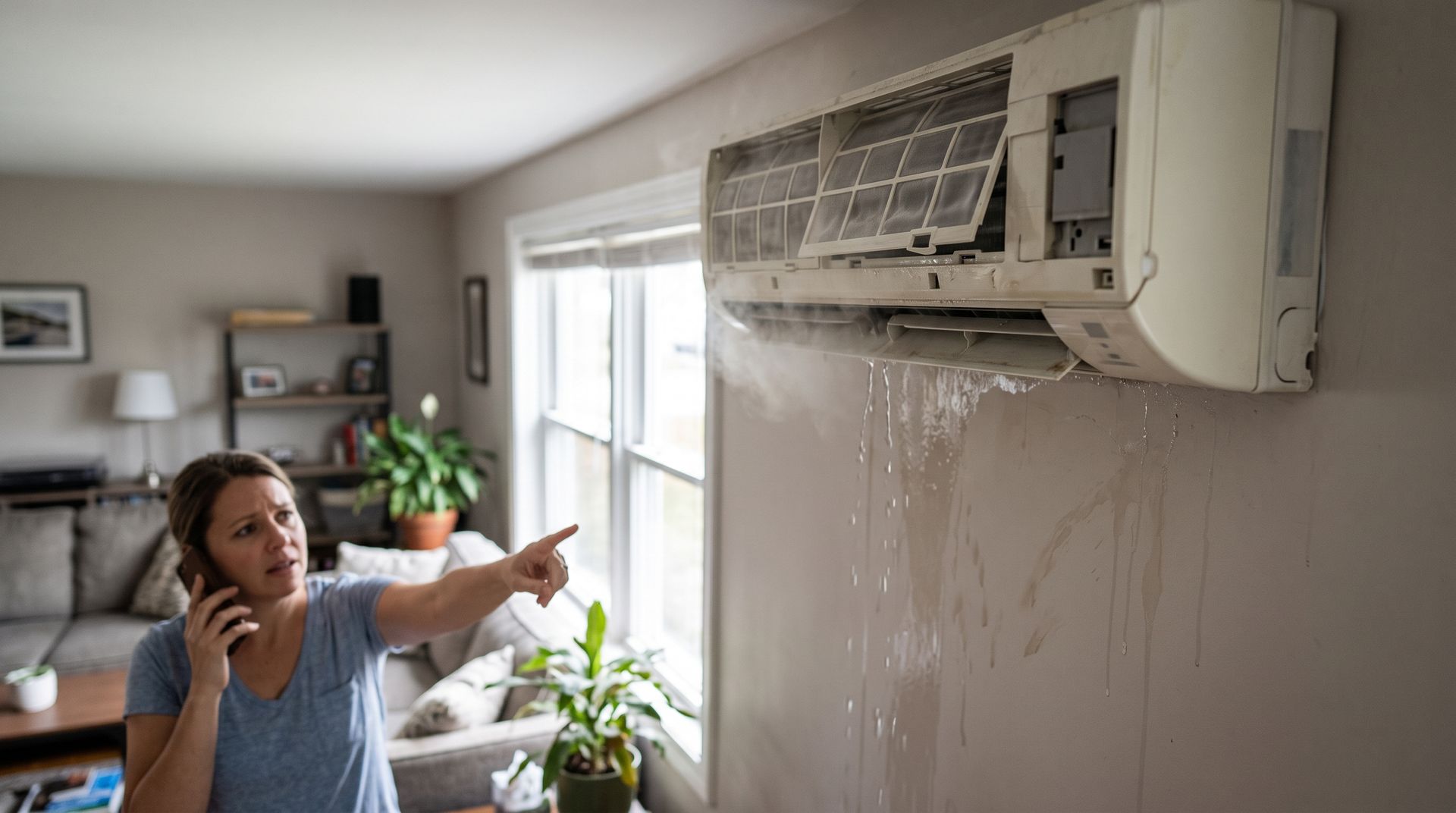
Person looking at leaking wall AC unit in a living room
October 13, 2026
Learn the common warning signs that your air conditioner may need professional repair, so you can prevent breakdowns and avoid more serious, costly problems.
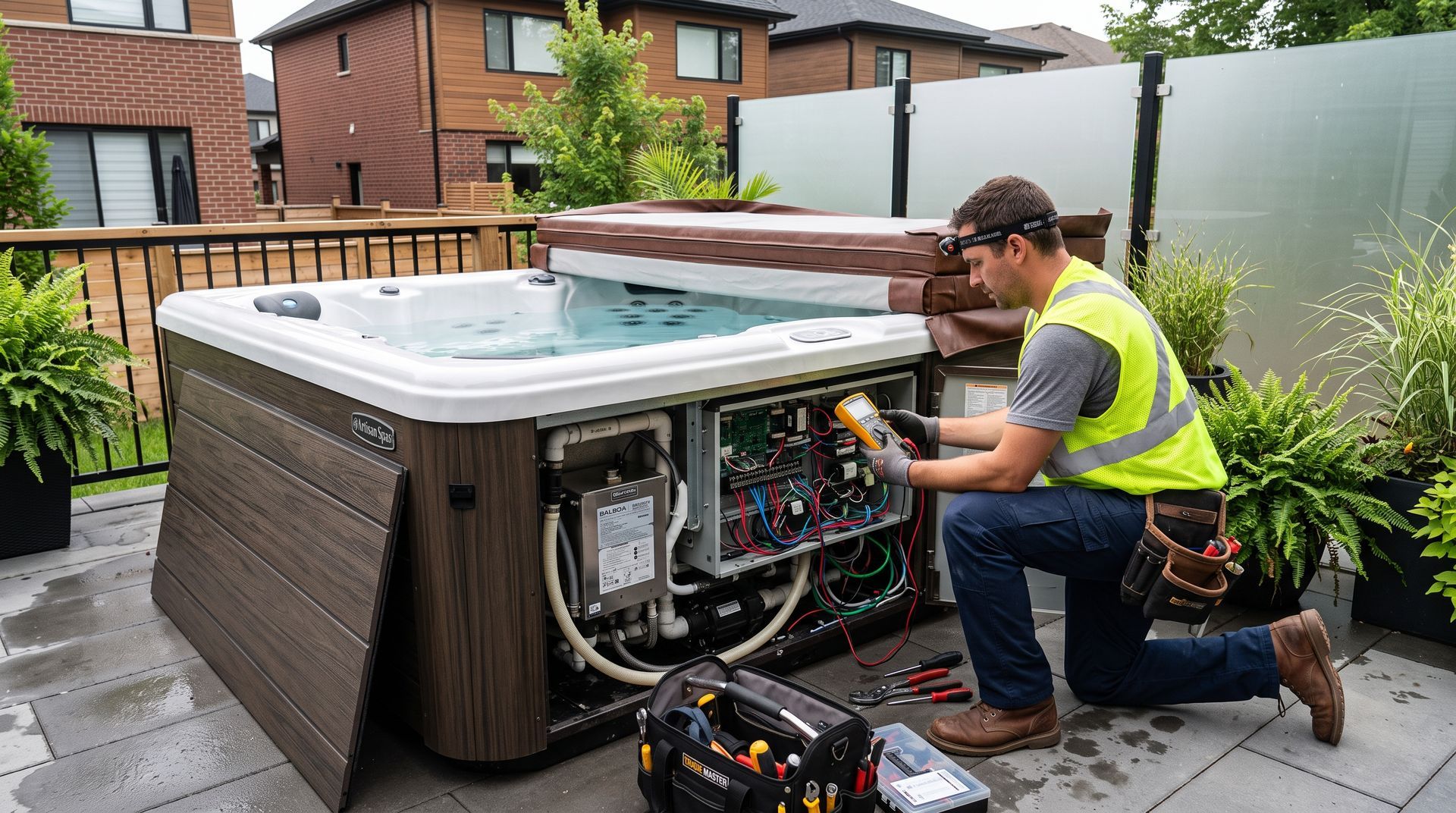
Technician kneels beside an open hot tub, inspecting exposed wiring in a backyard.
September 11, 2026
Learn the electrical requirements for hot tubs and why professional installation matters for Pennsylvania homeowners. Stay safe, code-compliant, and fully protected.
Electrical breaker panel and open metal control box with wiring and circuit breakers inside
August 26, 2026
Learn why dedicated electrical circuits are essential for large appliances and how they help prevent overloads, improve safety and better protect Pennsylvania homes.
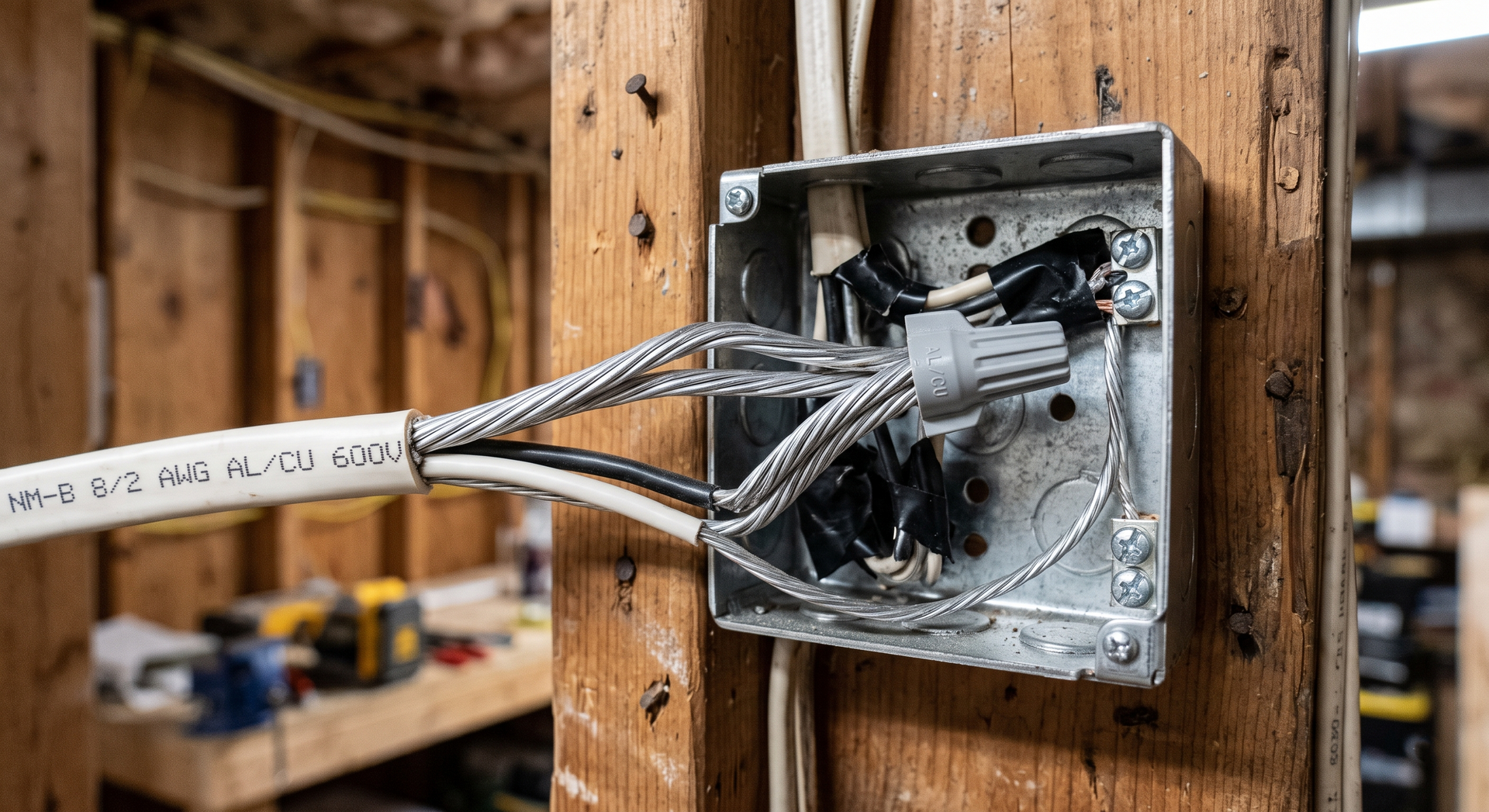
Exposed electrical outlet box with wires on a wooden wall during construction
August 11, 2026
Learn the warning signs of aluminum wiring and why older Pennsylvania homes may need professional electrical upgrades. Protect your home with expert electrical help.
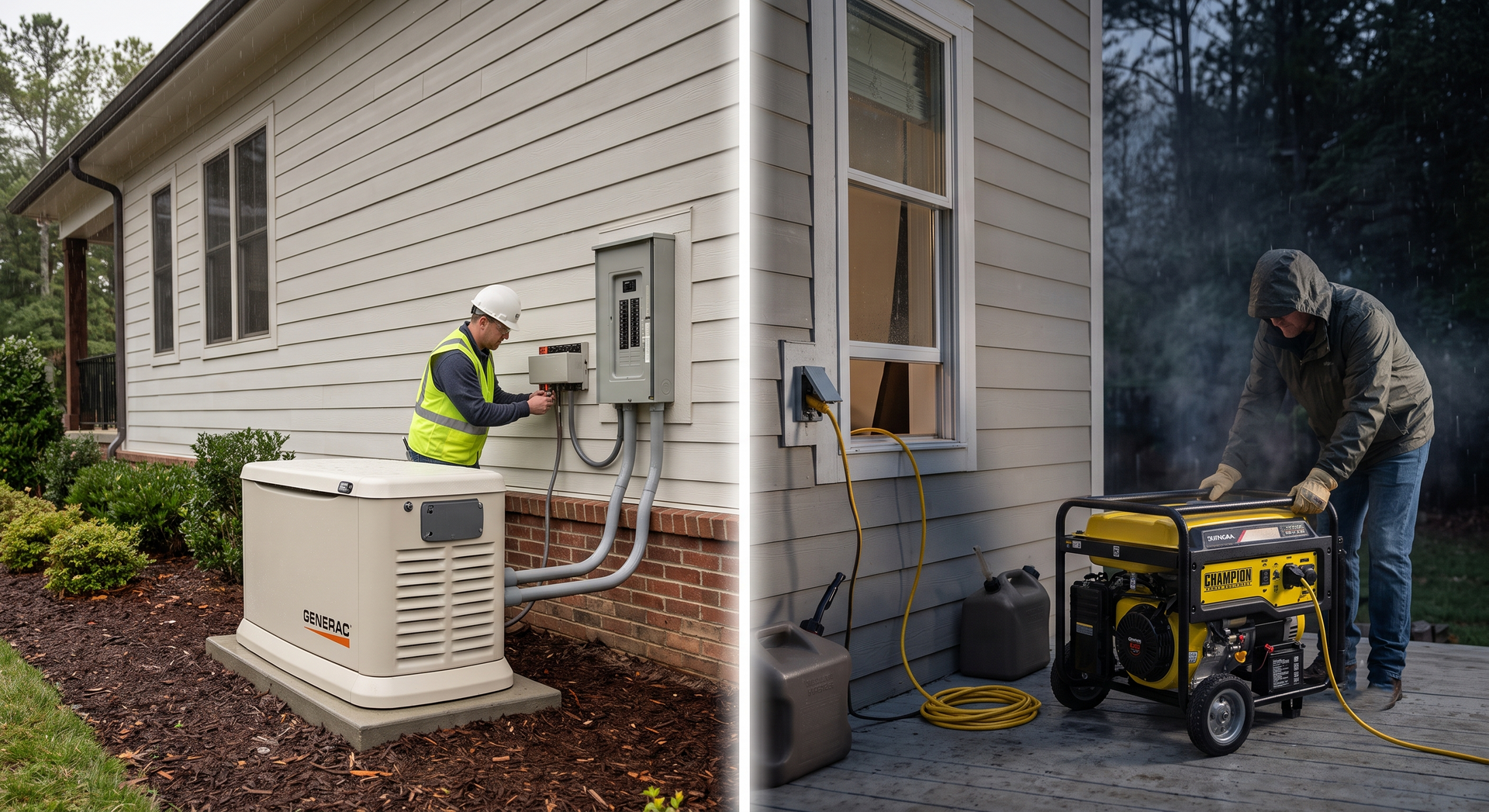
Split image: outdoor HVAC technician servicing a home unit; worker operating a generator at night in rain.
July 27, 2026
Learn the difference between standby and portable generators and which option is best for Pennsylvania homeowners during power outages and emergencies. Call today!
Wall outlet strip on a gray wall with one plug and cord connected
July 10, 2026
Learn what causes warm or sparking outlets and when Pennsylvania homeowners should call a licensed electrician for safe, reliable repairs. Protect your home!
Close-up of an electrical breaker panel with orange switches under a black cover.
June 26, 2026
Learn the common reasons circuit breakers keep tripping and when Pennsylvania homeowners should call a licensed electrician for safe, reliable repairs. Call today!
Hand inspecting electrical panel with blue, yellow, and black wiring inside an open cabinet
June 11, 2026
Learn how whole-home surge protection helps Pennsylvania homeowners protect appliances, electronics, and electrical systems from costly damage today. Learn more!
Wall-mounted wooden EV charger beside brick wall, with a person holding the charging plug.
May 27, 2026
Learn what homeowners in Clearfield County, PA should know about safe EV charger installation for reliable, convenient home charging by trusted pros today. Call now!
Technician in blue hard hat inspecting wiring inside an electrical control cabinet.
May 7, 2026
Planning a remodel in Pennsylvania? Learn why hiring a licensed electrician is essential for safe, code-compliant home renovations and repairs. Contact us today.
Show More